
Food peace is more than what happens at the table. It is not just about what you eat or don’t eat. Food peace is how food fits into your life. It shows up in how you treat yourself, how you make choices, how you rest, and how you feel. If you have been working toward food peace, you may already see signs of it in your everyday world. These signs are not about food at all.
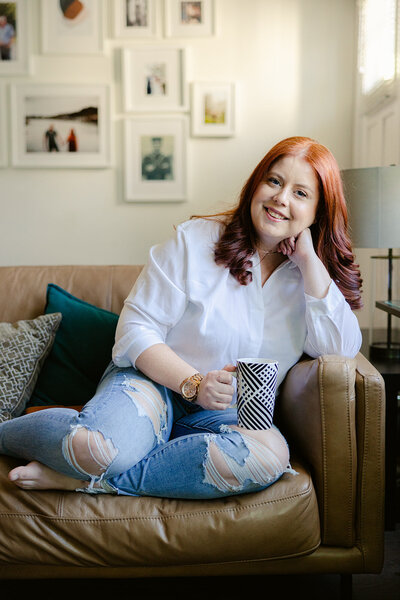
Hi there, I’m Dr. Meredith MacKenzie, a binge-eating therapist and intuitive-eating coach. If you’re working toward food peace but still find yourself caught in guilt, self-pressure, or food anxiety, my group program One Body To Love offers steady support, real-world tools, and a compassionate space to heal your relationship with food and your body. For more guidance and encouragement, come connect with me on Instagram.

Sign #1: Being Kinder to Yourself Is a Sign of Food Peace When Plans Change
Many of us set high expectations for ourselves. We might plan to go to the gym five times a week or prep every meal ahead of time. These plans often work when life is calm. But life is rarely calm. Work gets busy. Kids get sick. One unexpected thing can throw everything off.
When you are finding food peace, you start to respond to these changes with more kindness. Instead of blaming yourself, you give yourself grace. You understand that plans can shift, and that doesn’t mean you failed.
This kindness is not laziness. It is a way of letting life unfold without treating every change like a mistake. You can still have goals. You can still want structure. But you stop punishing yourself when things don’t go perfectly. You speak to yourself with care. You remind yourself that life happens, and that’s okay.
This shift is a powerful part of food peace. It is not just about what or how you eat. It is about how you treat yourself when things don’t go as planned. You learn to adjust with less shame and more self-trust. That is meaningful change.
The holidays may be over, but food peace isn’t seasonal. In this episode, I’m sharing the moment everything changed in my relationship with food and guilt. Tune in and see how we carry that peace into the rest of the year, no reset required.
Sign #2: You’re Setting (and Holding) Boundaries That Feel Scary but Right
Boundaries might sound like a big word, but at their core, they are about protecting what matters to you. When it comes to food peace, boundaries often show up in parts of your life that have nothing to do with food. You might say no to extra work so you can rest. You might limit social media so you don’t spiral into body comparison.
Setting boundaries can feel uncomfortable at first. It might bring up fear or doubt. But something inside you knows it is the right step. You begin to protect your time and your energy, even when it feels unfamiliar.
Holding boundaries is a way of saying that how you feel matters. It shows that your needs are valid. This is what food peace looks like beyond your plate. You are not just changing how you eat. You are also changing what you allow into your life. You stop moving through your days on autopilot and begin choosing what supports your well-being.
As you practice this, you learn that it is possible to care for others while also caring for yourself. That balance is a key part of food peace.
Need help setting boundaries around food and body talk? Read How to Say No to Holiday Diet Talk for simple ways to protect your peace, without starting a family fight.
Sign #3: You’re Tolerating Rest Without Earning It
Many of us were taught that rest must be earned. We often believe we have to work hard before we deserve a break. Resting too soon can feel like laziness. This belief often hides in everyday thoughts and routines without us realizing it.
As food peace becomes part of your life, that mindset starts to shift. You begin to rest without guilt or the need to prove you’ve done enough first.
You may notice this change in small ways:
- You allow yourself to rest when you feel tired, not just when everything is done
- You listen to your body’s needs instead of pushing through exhaustion
- You stop using rest as a reward and start seeing it as a basic need
- You feel relief instead of shame when you take breaks
- You begin to value your well-being more than constant productivity
At first, resting without guilt can feel unfamiliar. But over time, it becomes part of your daily rhythm. It’s not a sign of failure. It’s a sign of healing. Letting yourself rest without needing to earn it is a powerful step toward food peace.
If rest feels hard to allow, this video breaks down how cravings and exhaustion are your body’s way of asking for relief, not punishment.
Sign #4: Noticing Your Feelings Is a Sign of Food Peace, Even the Uncomfortable Ones
Food peace is about food, but it also touches your emotional world. As you begin to make peace with food, you start to notice your feelings more clearly. This includes the easier ones, such as joy and excitement, as well as the harder ones, such as sadness, anger, boredom, loneliness, and fear.
In the past, you may have pushed those harder feelings away or distracted yourself with tasks, food, or screens. Now, you’re starting to notice them. You recognize what you feel and where it shows up in your body.
Not every day brings a big emotional shift. Some days, simply sitting with a feeling for a few minutes is enough. That small act is growth.
This is a sign that you’re becoming more connected to yourself. You’re letting your feelings exist rather than pushing them down. This strengthens food peace because you’re learning to care for your emotions rather than avoid them. When you meet your feelings with curiosity rather than fear, your relationship with food becomes calmer and more grounded.
Want to quiet the constant food chatter? Read What Is Food Noise? for simple, rule-free ways to calm the noise and feel more at ease.
Sign #5: You’re Building a Life That Doesn’t Revolve Around Food Anxiety
When you’re new to food peace, food thoughts might still feel loud and constant. But over time, you may start to notice things shifting:
- You wake up thinking about your day, not what you will or won’t eat.
- You make plans based on your goals, relationships, and interests, not around food fears.
- You still think about food sometimes, but it no longer runs the show.
- You plan a weekend trip and focus on what you want to do, not what you’ll be eating.
- You catch up with a friend and talk about your week, not just about what you ate.
- You laugh, you live, and food becomes just one part of a full life.
This change happens slowly. You might not notice it right away until you realize, “I haven’t felt stressed about dinner plans this week.” That shift is a quiet but powerful sign of food peace.
This episode brings those food peace tools to life. The holidays may be over, but the pressure, guilt, and self-talk often stick around. Tune in to learn how to meet those moments with more ease and self-trust, any time of year.
Progress Toward Food Peace Isn’t Always Measured in Bites
Food peace isn’t just about how you eat. It shows up in how you treat your body, protect your time, and respond to your feelings. It’s not a race or a test to pass, but a slow and steady shift in daily moments. Being kind to yourself, setting boundaries, resting without guilt, and letting go of food anxiety all count as progress. These changes may feel small, but they add up to a life where food no longer takes center stage. If even one sign feels true for you, it means something is shifting. Food peace is happening, one choice and one moment at a time.
Finding food peace takes time, especially when you’re used to measuring progress by what or how you eat. But these deeper shifts, more self-kindness, clearer boundaries, and less food anxiety matter just as much. If you’re ready to keep building that foundation, Food Freedom in a Weekend is a self-paced course that offers simple, powerful steps to help you reconnect with your body and quiet the all-or-nothing noise.
If you’re looking for more personalized support, one-on-one coaching is a space to explore your patterns and build lasting trust with food and yourself. Not sure what’s right for you? Tune into my podcast or YouTube channel for real-world tools, or book a free call, and we’ll find the best next step together.