You meant it when you promised… so what happened? Breaking food promises can feel so discouraging. You tell yourself, “No more sugar after dinner,” or “This is the last time I binge.” And you mean it. But then the moment comes. A stressful day. A lonely night. Or just feeling tired. And the promise breaks. You’re not weak. You didn’t fail. Breaking food promises happens for real, human reasons. Let’s talk about why.
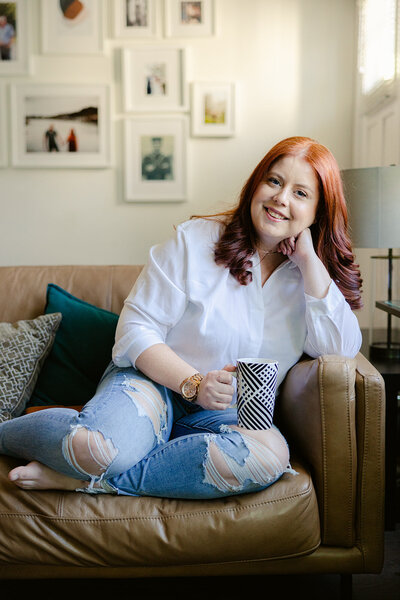
But first, hi, I’m Dr. Meredith MacKenzie, a binge eating therapist and intuitive eating coach. If you’re caught in the cycle of breaking food promises, feeling frustrated, and wondering why nothing sticks, my group program, One Body To Love, is here to help. Inside, you’ll learn how to step out of the guilt-shame spiral, make food choices that actually feel good, and rebuild trust with yourself—without relying on more rules. For support between sessions, come find me on Instagram.

What Are Food Promises, Really? (And Why We Make Them)
Food promises are personal rules you make about eating. They often sound like:
- “I’ll only eat when I’m hungry.”
- “No more carbs after lunch.”
- “I’m starting over tomorrow.”
These promises usually stem from a deep desire to feel better, gain control, or end a painful pattern. You might think, “If I just stick to the plan, I’ll finally feel good in my body.” But most food promises are actually forms of restriction. And restriction almost always leads to rebellion.
If you’ve ever asked yourself, “Why can’t I stop eating?” this blog breaks it down with compassion and clarity, so you can stop blaming yourself and start understanding what’s really going on.
Why You Keep Breaking Them: The Restriction-Rebellion-Repair Cycle
Here’s a common pattern I see: the restriction-rebellion-repair cycle.
Restriction – You start strong, cut back, and follow the rules. At first, it feels like control. Maybe you’re skipping snacks or avoiding certain foods. There’s a sense of progress, like things are finally clicking. Maybe you skip meals, avoid “bad” foods, or try to eat as little as possible. At first, it might even feel good, like you’re finally on track.
Rebellion – But your body can’t keep up with that kind of pressure. Hunger builds. Cravings grow. Stress rises. And eventually, something gives. You eat the foods you swore off. You feel out of control, like you’ve ruined everything.
Repair – Now guilt and shame kick in. You feel like you messed up. So you make a new food promise. “Tomorrow I’ll be good.” “Next week I’ll get serious.” You tighten the rules, hoping this time will be different.
Then the cycle starts all over again. This isn’t about willpower. It’s biology and psychology. When your body feels restricted, it fights to protect you. And when food carries emotional weight, trying to control it with rules often backfires. That’s why breaking food promises is so common. You’re not lacking discipline. You’re stuck in a cycle that was never designed to work.
Tired of swinging between restriction and bingeing? Read How to End the Binge Restrict Cycle (Without Denying Yourself) to learn a more balanced, sustainable way forward, no willpower battles required.
Breaking Food Promises? Expectations Might Be the Real Issue
Making a promise to yourself isn’t wrong. But harsh expectations can make those promises impossible to keep. Many food promises are all-or-nothing. One-off moments can feel like a total failure. But eating is never perfect. Life isn’t perfect. Expecting yourself to be strict, every day, with every bite, that’s a setup. It’s not the food promise itself. It’s the pressure behind it.
If you’ve ever broken a food promise and thought, “I ruined everything,” this video will help. It walks you through how to recognize a slip before it spirals out of control.
What to Try Instead: Gentle Commitments That Don’t Backfire
What if instead of strict rules, you made gentle commitments? Gentle commitments are different from food promises. They’re flexible and kind. They’re based on care, not control. They leave room for being human.
Here are some examples of gentle commitments:
- I want to pause and check in with my hunger before I eat
- I’ll try to feed myself regularly throughout the day so I don’t get too hungry
- I’m learning to let go of guilt around food
- I want to notice how different foods feel in my body, not judge them as good or bad
- I’ll aim to have satisfying meals, not just “healthy” ones
- I want to stay curious about my needs instead of shutting them down
These aren’t about being perfect. They’re about building a more peaceful, balanced relationship with food, one choice at a time. Gentle commitments help reduce the pressure. And when there’s less pressure, the need to rebel fades too. You stop swinging between all and nothing. You stop chasing control and start building trust.
How to Rebuild Self-Trust When You’ve Broken Promises 100 Times
Breaking food promises again and again can feel like you’ve let yourself down. It’s easy to think you need more discipline or better willpower. But self-trust isn’t built from rules. It’s built on how you treat yourself in the moments that feel messy.
Here’s how to start rebuilding self-trust:
- Notice your patterns
Pay attention to when food promises tend to break. Are you skipping meals? Are you tired, stressed, or overwhelmed? What’s happening around you and inside you? - Stay curious, not critical
Ask yourself what you might need. Is it comfort, rest, connection, or energy? Curiosity creates space for new choices. Criticism shuts them down. - Choose care over control
Think about what would help you feel supported, not punished. Maybe it’s eating a full meal, taking a break, or saying something kind to yourself. - Celebrate small steps
Did you pause before eating? Did you eat a meal you were planning to skip? Did you notice a feeling instead of numbing it? These moments count.
Self-trust grows through small, consistent acts of care. It comes from showing up with compassion, even when things don’t go as planned, and taking steps toward a healthier, more peaceful relationship with food.
If breaking food promises has left you feeling stuck in shame, this video is for you. From Secret Shame to Self-Trust offers a gentle path forward.
You Don’t Need Stricter Rules—You Need Deeper Understanding
Many people think the answer is to be stricter. More control. More limits. But most people aren’t breaking food promises because they’re lazy or unmotivated. They’re doing it because the promises ignore what’s really needed.
Sometimes you eat to feel comforted. Other times, it’s a way to escape. And often, it’s simply because your body is still recovering from past restriction. Food promises that don’t make space for those needs are easy to break. The solution isn’t more control, it’s more understanding.
What’s the deeper need under the eating? When you can meet that need directly, food begins to feel less loaded. Less chaotic. And when food feels safer, the cycle of making and breaking food promises starts to fade.
Want guidance that feels supportive, not strict? Read How to Create a Safe Structure with Food Without Falling into Restriction to learn how to build consistency without slipping back into diet rules.
Breaking Food Promises Doesn’t Mean You’re Failing—It Means You’re Ready for a New Way
If you’ve been breaking food promises for years, it doesn’t mean you’re doing something wrong. It means your body and mind are tired of rules that don’t work. You don’t need to try harder. You need something more supportive. When you shift from control to care, everything begins to change. You can stop the cycle, and it starts with understanding what your promises are really about.
Trying to stop breaking food promises can feel frustrating, especially when you keep doing it over and over and aren’t sure why. But you don’t have to keep going in circles. Food Freedom in a Weekend is a self-paced course that helps you understand the real reasons behind your food struggles, and shows you how to start making gentle, lasting changes.
If you’re looking for more personalized support, one-on-one coaching gives you a safe space to explore the patterns that keep you stuck and rebuild trust in your body, one choice at a time. Not sure what’s right for you yet? You can tune into my podcast or YouTube channel for practical, judgment-free tools, or book a free call to figure it out together.