Healing relationship with food can feel hard when you’ve spent years trying to control what you eat. If you feel stuck in binge eating, emotional eating, or guilt after eating, it can feel exhausting and confusing.
Many people think they need more willpower. They believe they need a new plan, a fresh start, or stricter rules. But healing your relationship with food isn’t about becoming more controlled. It’s about learning how to feel safe, nourished, and more at ease while eating again.
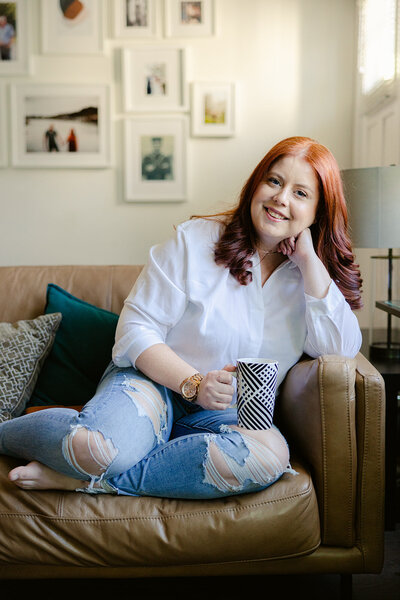
I’m Dr. Meredith MacKenzie, a binge-eating therapist and intuitive-eating coach, and I help women step out of the binge-and-restrict cycle with compassion, support, and practical tools that actually work. For daily encouragement, honest conversations, and gentle reminders that you don’t have to do this alone, come join me on Instagram.
Ready for deeper support? The One Body to Love Retreat is a full day designed for women who are tired of carrying this struggle alone. If you’ve spent years stuck in binge eating, food guilt, body shame, or starting over every Monday, this space was created for you.
You’ll spend the day with women who truly get it while learning practical tools to help heal your relationship with food. You don’t need to have it all figured out before you come. You just need a willingness to show up for yourself.

“I Feel Out of Control Around Food. How Did It Get Like This?”
Most people don’t start out feeling out of control while eating. These patterns often build over time through dieting, restriction, and rigid rules around eating.
At first, dieting may seem helpful. But when your body feels deprived, cravings often get stronger and eating certain things can start to feel impossible to resist. This isn’t about lack of willpower. It’s your body trying to protect you.
Stress can make this even harder. Parenting, ADHD, anxiety, burnout, and emotional overwhelm can all affect eating patterns. Over time, eating may become one of the main ways you cope, comfort yourself, or get through hard moments.
Healing relationship with food starts with understanding these patterns instead of blaming yourself for them.
Want to know what a healthy relationship with food can actually look like? This video breaks it down in a simple, realistic way.
What Does “Healing Your Relationship With Food” Actually Mean?
A healthy relationship with eating doesn’t mean being perfect or never emotionally eating again. It means thoughts about eating take up less space in your mind, and meals feel less stressful, shameful, or overwhelming.
Healing relationship with food often includes trusting yourself, listening to your body’s cues, allowing all types of meals without panic, and finding more ways to cope with emotions besides eating.
This process takes time, especially if you’ve spent years following strict rules or fighting against your body. Many people fear they’ll lose control if they stop dieting, but cravings often feel less intense once nothing is off limits anymore.
You also don’t have to fully love your body to begin healing. It’s okay to still feel conflicted while working toward a more peaceful relationship with eating.
Why Dieting Often Makes Your Relationship With Food Worse
Many diets promise control. But for many people, dieting creates more stress around eating. When your body doesn’t get enough nourishment, cravings often get stronger and thoughts about eating become louder.
This isn’t failure. It’s biology. Your brain and body are trying to protect you. Even if you’re not skipping meals, constantly telling yourself you “shouldn’t” eat certain things can leave your body feeling deprived.
Over time, this can lead to obsessive thoughts about eating, night eating, guilt after meals, eating in secret, or feeling out of control around certain things.
Many people think they need more self-control, but stricter rules often worsen the cycle. A healing relationship with food means stepping out of the binge-and-restrict cycle and asking yourself what your body actually needs.
Signs Your Relationship With Food May Need Healing
Sometimes people believe their struggles around eating aren’t bad enough. But if eating causes stress, guilt, or shame, it matters.
Here are some signs your relationship with food may need healing:
- Thoughts about eating take up a lot of space in your mind. You may spend large parts of the day planning meals, avoiding certain things, or worrying about what you ate.
- Guilt shows up after meals or snacks, even when you’ve eaten a normal amount. Hunger, cravings, or enjoyment may feel hard to accept.
- Restriction and overeating happen in cycles. You try to eat perfectly during the day, then feel out of control later at night.
- Emotional eating feels comforting in the moment, but shame follows afterward. Eating may become a way to cope with stress, loneliness, boredom, or overwhelm.
- Social events feel stressful instead of enjoyable. Restaurants, holidays, or family dinners may bring anxiety or pressure.
- Hunger and fullness cues feel confusing or disconnected. It may feel hard to tell when you’re hungry, satisfied, full, or emotionally overwhelmed.
These patterns are common, and they can heal.
If your brain feels constantly busy with thoughts about eating, cravings, or trying to stay in control, this blog can help you understand why. Read more about food noise and how to calm it without adding more rules or restrictions.
The First Steps to Healing Your Relationship With Food
Healing relationship with food starts with small changes. You do not need to fix everything overnight.
Here are a few helpful first steps.
Stop Labeling Foods as “Good” or “Bad”
Eating isn’t a moral issue. Cookies don’t make you bad, and salad doesn’t make you good. When eating stops being labeled as “good” or “bad,” shame often starts to soften too.
Eat Enough During the Day
Many people who binge at night are not eating enough earlier in the day. Regular meals help your body feel safe. Try to include protein, carbs, fats, and foods you enjoy.
Get Curious Instead of Judgmental
When eating feels chaotic, try asking:
- Am I hungry?
- Am I stressed?
- Am I lonely?
- Did I restrict earlier?
- What do I need right now?
Curiosity creates space for healing. Shame usually keeps the cycle going.
Notice Your Inner Voice
Many people speak to themselves in ways they would never speak to a friend. Healing often includes learning a kinder inner voice. This does not mean fake positivity. It means less punishment.
Learning to Trust Your Hunger and Fullness Cues Again
Dieting can make hunger and fullness cues harder to hear over time. Many people spend years ignoring hunger signals, while others stop trusting fullness because binge eating feels confusing and unpredictable.
Learning to trust your body again takes practice. One small step is slowing down during meals when you can. Pay attention to how food tastes and notice how your body feels before, during, and after eating.
You don’t have to do this perfectly. There will be days when you eat past fullness or don’t notice hunger until you feel overly hungry. That’s okay. Healing isn’t about eating perfectly all the time.
It also helps to remember that people eat for many reasons besides hunger. Food can bring comfort, joy, connection, and convenience. That’s part of being human.
Instead of chasing perfect control, the goal is to rebuild trust in yourself and your body again.
If structure around eating feels helpful, but strict rules always pull you back into restriction, this blog will help you find a more balanced approach. Learn how to create supportive habits without falling back into the binge-and-restrict cycle.
Healing Emotional Eating (Without Taking Food Away)
Many people want to stop emotional eating completely. But emotional eating is normal. Eating can bring comfort, calm, or relief during stressful moments.
The problem usually isn’t emotional eating itself. It’s when eating becomes the only way you cope.
Healing relationship with food means adding more support instead of taking things away. Over time, you can build other coping tools like rest, connection, boundaries, journaling, or asking for help.
Sometimes eating will still be part of coping, and that’s okay. This work isn’t about perfection. It’s about having more choices and less shame around eating.
If emotional eating feels hard to stop, this video will help you understand what’s really going on and how to start finding more peace with food.
Healing Relationship With Food Takes Time and Trust
Healing relationship with food takes time, patience, and self-compassion. There’s no perfect way to do this, and you don’t have to figure it all out overnight. Small shifts can make a big difference over time. As you begin rebuilding trust with your body, food can start to feel less stressful and more peaceful again.
If you’re looking for a gentle place to start, Food Freedom in a Weekend can help you step away from food rules and begin rebuilding trust with yourself around eating. For deeper support, One Body To Love offers a compassionate space to work through binge eating, guilt, and body shame alongside women who truly get it.
If you’d like more personalized support, my 1:1 coaching gives you space to explore what’s really driving your eating patterns and how to care for yourself with more compassion and less judgment.
You can also listen to my podcast or visit my YouTube channel for honest conversations, practical tools, and encouragement along the way. And if you’re not sure where to begin, you’re always welcome to book a free discovery call.