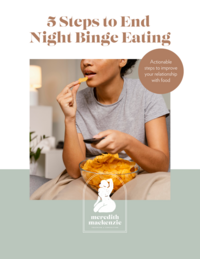
If you have been searching for how to eat intuitively but feel confused, you may also feel disconnected from your body. Many people want food freedom, yet they feel far from their hunger cues and unsure where to start.
You may have tried plans, rules, or tracking apps. At first, they seem helpful. Over time, they often leave you feeling more stressed around food. Now, a different path might feel both hopeful and scary.
This is where intuitive eating comes in.
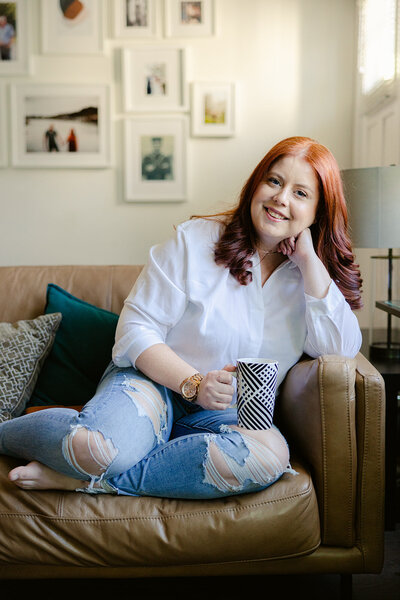
Hello, I’m glad you’re here. I’m Dr. Meredith MacKenzie, a binge eating therapist and intuitive eating coach. If you’ve been trying to figure out how to eat intuitively but feel disconnected from your hunger, full of food rules, or unsure what your body is telling you, you’re in the right place. Inside my group program, One Body To Love, we gently rebuild trust with your body and create a calmer, more supportive way of eating that actually feels sustainable.

You’ve Tried Every Food Rule—Now You’re Ready for Something Different
Maybe you have followed meal plans. Maybe you have cut out sugar, carbs, or snacks after a certain time. At some point, those rules likely felt like a form of control. Then something shifted. The rules got harder to follow. Cravings felt stronger. Eating started to feel chaotic instead of calm.
This is not because you failed.
Food rules ask your body to stay quiet. Yet your body is designed to speak. It sends signals for hunger, fullness, and satisfaction. When those signals get ignored for long enough, they become harder to hear. So if things feel out of control now, that makes sense. Your body is trying to be heard again.
If you keep breaking food promises to yourself, this blog will help you understand why. Read Why You Keep Breaking Food Promises to Yourself (And Why That’s Not a Failure) to learn what is really going on.
How to Eat Intuitively: What It Actually Looks Like
When people ask how to eat intuitively, they often think it means eating whatever they want, whenever they want. That is only part of the picture.
Intuitive eating is about rebuilding trust with your body. It means learning to notice hunger, fullness, and what foods feel good in your body. It’s also about letting go of strict food rules.
Instead of asking, “What am I allowed to eat?” the question becomes, “What do I need right now?” Sometimes the answer is food. Other times it is rest, comfort, or a break. This approach isn’t about being perfect. It’s about getting curious.
If you want a deeper understanding of how to eat intuitively, this blog breaks it down step by step. Read 10 Principles of Intuitive Eating to learn the foundations in a clear, supportive way.
Why Dieting Disconnects You from Hunger, Fullness, and Satisfaction
Dieting often teaches you to ignore your body.
For example, you may eat when a plan says to eat, not when you feel hungry. Or you may stop eating because you hit a calorie limit, not because you feel full.
Over time, this creates distance between you and your body signals.
Hunger might feel extreme or hard to notice. Fullness may feel unclear. Satisfaction can feel missing, even after eating enough.
Also, restriction often leads to strong cravings. When the body does not get enough food, it tries to protect itself. That can show up as urges to eat large amounts, especially later in the day.
This is not a lack of willpower. It is your body doing its job.
If hunger feels confusing or hard to read, this episode can help you slow it down and check in. Listen to Not Sure If You’re Hungry? Try This Quick Check-In for a simple way to reconnect with your body.
How to Eat Intuitively in a Way That Feels Manageable
Learning how to eat intuitively does not mean changing everything at once. In fact, small steps work better.
Here are a few gentle starting points:
- Notice hunger without judgment
Ask yourself, “Am I hungry?” You do not need a perfect answer. Even a small pause helps you reconnect. - Give yourself permission to eat
When food is allowed, it becomes less urgent. This can reduce the drive to overeat. - Aim for enough food
Eating regular meals helps your body feel safe. Skipping meals often leads to stronger hunger later. - Think about satisfaction
Ask yourself what sounds good. Enjoyment matters. It helps you feel more settled after eating.
Each step builds trust over time.
If you’re wondering whether things are starting to shift with food, this blog will help you see the signs. Read 5 Signs You’re Finding Food Peace (That Have Nothing to Do With Food) to notice progress you might be missing.
How to Practice Intuitive Eating in Daily Life
Putting this into practice can feel messy at first. That is normal.
You can start by pausing before eating. Take a breath and check in with your body. Even a few seconds can shift your awareness.
It also helps to eat regularly. Try not to wait until you feel overly hungry. A gentle structure can support your body while you rebuild trust.
During meals, see if you can stay present. You do not need to do this perfectly. Just notice taste, texture, and how your body feels as you eat.
After eating, check in again. Ask yourself how you feel. You might notice hunger is still there, or that you feel comfortable, or even too full. This is information, not a test.
Most importantly, be kind to yourself when things feel off. Some days will feel harder. That does not mean you are doing it wrong. It means you are learning.
If you’re wondering what this process actually looks like in real life, this video will walk you through it. Watch What to Expect: Intuitive Eating Before and After to see how things can shift over time.
Common Misunderstandings About How to Eat Intuitively
Many people feel unsure about how to eat intuitively because of common myths.
- “I will eat everything in sight forever.”
At first, food may feel exciting or urgent. This is a normal response to past restrictions. Over time, that urgency settles. - “I have to feel hunger perfectly.”
Hunger cues can feel quiet or confusing. You can still practice intuitive eating while you relearn them. - “This only works for certain people.”
Intuitive eating is flexible. It meets you where you are, not where you think you should be. - “It means I do not care about health.”
This approach still supports your health. It simply removes fear and pressure from the process.
These beliefs can make it feel harder to trust the process. Yet they are often shaped by past dieting rather than by what your body truly needs.
As you practice how to eat intuitively, these fears tend to soften. With time, food feels less urgent, and your body’s signals become easier to understand. You do not need to rush this. It is something you build step by step.
If your mind feels busy with food thoughts, this blog will help you understand why. Read What Is Food Noise? And How Do You Calm It Without More Rules for a calmer, more supportive approach.
You Deserve a Relationship With Food That Feels Safe and Supportive
Learning how to eat intuitively is not about getting it right. It is about coming back to yourself, one small step at a time. Some days will feel clear, and other days may feel confusing. That is part of the process. As you keep showing up with curiosity and care, your body becomes easier to hear and trust. Food can start to feel less stressful and steadier. You do not have to rush or force this. A calmer, more supportive relationship with food is something you can build over time.
If you’ve been trying to learn how to eat intuitively but feel disconnected from your hunger cues, it makes sense that things feel confusing right now. This is exactly the work we focus on inside One Body To Love.
If eating feels chaotic, all-or-nothing, or hard to trust, support can help you find your footing again. In one-on-one coaching, we gently explore your patterns and take the pressure off trying to get it right.
If you want a simple way to slow down and reconnect with your body, this is a great place to start. Download my Mindful Eating Log to gently practice how to eat intuitively in your day-to-day life.
If you want simple tools and ongoing support, you can connect with me on Instagram, explore my podcast or YouTube channel, or book a free call to see what kind of support feels right for you right now.