If you’re wondering how to eat without feeling guilty, food may feel stressful, emotional, or exhausting right now. Guilt can show up after meals, snacks, or certain foods, even when your body is simply hungry. Over time, eating can start to feel pressured rather than enjoyable.
The hard part is that food guilt usually keeps the cycle going, especially when dieting and food rules have been deeply wired into your thinking for years. The good news is that it’s possible to build a calmer, more peaceful relationship with food over time.
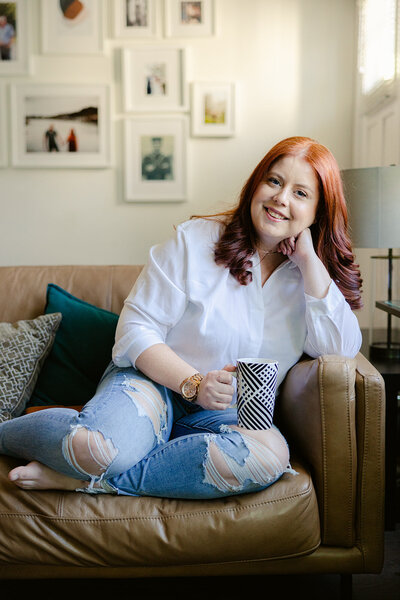
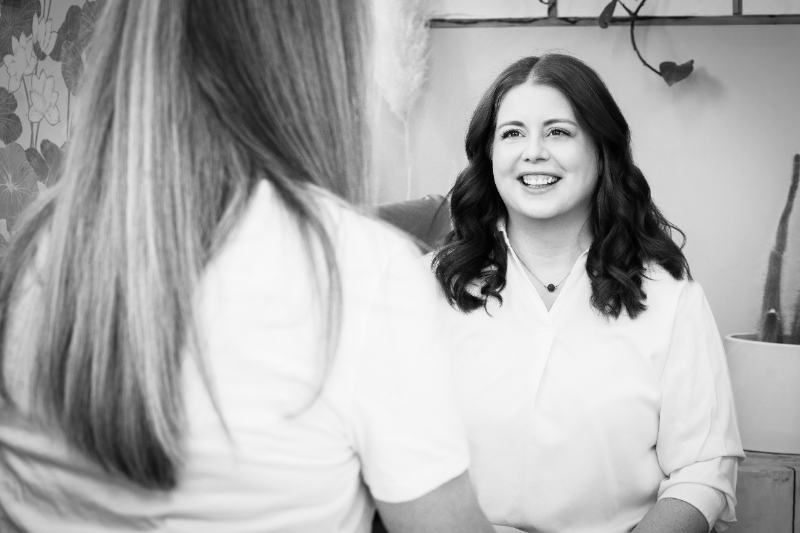
Hi, I’m Dr. Meredith MacKenzie, a binge eating therapist and intuitive eating coach. If food guilt, binge eating, or body image struggles leave you feeling stuck, you’re not alone. Inside my group program, One Body To Love, we explore the deeper patterns behind these struggles so you can build a more peaceful relationship with food and your body. For more support and practical tools, connect with me on Instagram.
Ready for deeper support? The One Body to Love Retreat on June 21 is a full-day experience for women who are tired of struggling with binge eating, food guilt, and body shame alone. Together, we’ll explore practical tools for healing your relationship with food in a supportive, judgment-free space. You don’t need to have it all figured out to come.
“Why Do I Feel Guilty Every Time I Eat?”
Food guilt can become so automatic that it feels normal. A snack may quickly turn into guilt, stress, or thoughts about needing to “make up for it” later. For some people, guilt feels loud and critical. For others, it shows up more quietly through anxiety around food or pressure to always eat “perfectly.”
Over time, eating can start to feel tied to success, failure, or self-worth instead of a normal human need. That’s not because of a lack of willpower. It’s what happens after years of living in a world that teaches people to judge themselves through food and body size.
If social media often leaves you comparing, second-guessing yourself, or feeling worse about your body, this blog breaks down why it can affect us so deeply and what can help.
Where Food Guilt Actually Comes From
Food guilt usually starts long before the moment you eat. Diet culture teaches people to judge themselves through food, body size, and control. Over time, messages from social media, wellness trends, family, or past experiences can make eating feel stressful instead of natural.
For some people, food guilt also connects to deeper emotional patterns, especially if food or body size was heavily judged growing up. That’s why learning how to eat without feeling guilty is about more than food. It’s also about healing the relationship you have with yourself.
Why Guilt Doesn’t Actually Change Your Eating
A lot of people believe guilt will help them “stay on track.” But guilt usually does the opposite.
When you feel ashamed after eating, your brain often shifts into stress mode. Then you may start restricting, skipping meals, or trying to “undo” what you ate. Later, that restriction can lead to stronger cravings, overeating, or binge eating. Then the guilt comes back again.
Restriction → cravings → overeating → guilt → more restriction.
That’s why beating yourself up after eating rarely creates peace around food. In fact, many people eat more chaotically when guilt is running the show.
On the other hand, when eating feels calmer and less emotional, it becomes easier to notice hunger, fullness, satisfaction, and choice.
If meal planning feels stressful or tied to guilt and food rules, this video offers a more flexible and supportive approach.
The First Step: Letting Go of “Good” and “Bad” Foods
One of the biggest steps in learning how to eat without feeling guilty is letting go of the idea that foods are either “good” or “bad.” Diet culture often teaches people to judge themselves through food, which can make eating feel stressful and emotional over time.
That might look like feeling proud of eating “healthy,” feeling ashamed after dessert, or believing that one meal can ruin your progress. Instead of focusing on being “good,” try paying attention to what your body actually needs. Ask yourself whether you felt satisfied, whether you ate enough, or what would feel supportive right now.
This shift can feel uncomfortable at first, especially if food rules have helped you feel safe or in control for years. Healing your relationship with food takes practice, not perfection.
If certain foods still feel scary, out of control, or impossible to trust yourself around, this blog explores how to start making peace with “forbidden foods” without guilt or rigid rules.
How to Start Eating With Less Guilt (In Real Life)
Learning how to eat without feeling guilty doesn’t mean food never crosses your mind. It means food starts to feel less emotional and controlling over time. Here are a few gentle places to start:
- Eat enough during the day so your body feels consistently nourished.
- Stop trying to earn food through exercise, restriction, or being “good.”
- Notice guilt thoughts without automatically believing them.
- Make meals satisfying instead of overly restrictive.
- Practice more neutral self-talk after eating, rather than criticizing yourself.
These shifts may feel small, but they can make a big difference over time. Healing your relationship with food usually starts with less shame, greater awareness, and learning to respond to yourself with care rather than punishment.
What to Do When Guilt Shows Up After Eating
Even when you’re working on healing, guilt may still show up sometimes. That’s normal. Instead of punishing yourself, try slowing down and getting curious.
Ask yourself:
- Am I physically uncomfortable right now?
- Did I eat enough earlier today?
- Was I stressed, lonely, tired, or overwhelmed?
- What do I actually need right now?
Then remind yourself:
One meal does not define your health, your body, or your worth. You don’t need to “fix” yourself after eating. This can feel deeply uncomfortable at first. Especially if guilt has been your main coping tool for years. But guilt is not the same thing as care. Self-compassion creates far more change than shame ever will.
If food feels confusing, stressful, or all-or-nothing, this blog breaks down what a healthy relationship with food can actually look like in real life.
Why This Feels So Hard (And Why That Makes Sense)
If learning how to eat without feeling guilty feels difficult, there’s a reason. Most people were never taught how to trust themselves with food.
Instead, they were taught rules:
- Don’t eat carbs.
- Don’t eat late at night.
- Don’t eat too much.
- Don’t trust cravings.
- Don’t gain weight.
After years of hearing these messages, your brain may come to believe that food freedom is dangerous. That doesn’t mean you’re broken. It means your nervous system learned to associate food with fear, control, or shame.
Healing takes time because you’re not just changing behaviors. You’re changing beliefs that may have been there for decades. That’s big work. And you don’t have to do it perfectly.
This video explores how diet culture and past experiences can shape the way we think about food, body image, and control.
What Eating Without Guilt Actually Looks Like
Eating without guilt doesn’t mean eating perfectly.
Eating without guilt also isn’t about being perfect with food all the time. Overeating may still happen sometimes. Hard body image days can still come up. Food might still feel emotional, especially early in the healing process.
Instead, it can look like:
- Eating when you’re hungry without panicking
- Enjoying dessert without spiraling into shame
- Moving on after eating past fullness
- Trusting that one meal won’t ruin everything
- Making food choices from care instead of fear
- Feeling more peaceful around food over time
Food freedom is possible, even if nothing else has worked before. Healing can begin long before body acceptance feels easy. Perfect confidence isn’t required. Struggles around food and body image may still show up at times, and that’s okay.
Learning how to eat without feeling guilty starts with small moments of compassion. Small moments of trust. Small moments of letting yourself be human around food again.
How to Eat Without Feeling Guilty Starts With Compassion
If guilt around food, binge eating, or body image has been taking up too much space in your life, support can help. Healing your relationship with food isn’t about finding more willpower or following stricter rules. It’s about understanding the deeper patterns that keep the cycle going and learning new ways to respond with more compassion and care.
Inside my group program, One Body To Love, and through one-on-one coaching, we work on rebuilding trust with food and your body in a realistic, supportive way. Together, we explore the emotional patterns behind binge eating, food guilt, and feeling out of control, so eating can start to feel calmer and less stressful over time.
You can also explore my podcast or visit my YouTube channel for more practical tools and support. If you’d like to talk about what kind of support may feel most helpful right now, you’re always welcome to book a free call.