Making healthy food choices can feel harder than it should. Feeling good in your body matters, but food taking over your thoughts is not the goal. Many people start with good intentions. Then slowly, those choices turn into stress, rules, and second-guessing.
At first, it may look like simple self-care. Reading labels, planning meals, and trying to eat “clean” can seem helpful. Over time, though, food can shift from something to be enjoyed to something to be managed. That is when things begin to feel heavy.
This blog will help you step out of that cycle. You will learn how to care for your health without turning food into a full-time job.
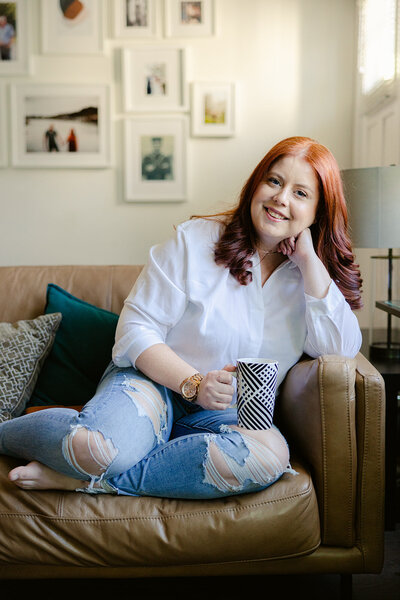
If you’re new here, hello and welcome. I’m Dr. Meredith MacKenzie, a binge eating therapist and intuitive eating coach. If making healthy food choices feels stressful, like you are overthinking every bite or trying to get food “just right,” this space is for you. Inside my group program, One Body To Love, we explore the deeper patterns behind food obsession and build a calmer, more flexible way of eating.
You Want to Feel Better, Not More Anxious About Food
Most people are not trying to control food for no reason. Often, the goal is to have more energy and feel at ease in your body. There may also be a desire to support your health as you get older. Those goals make sense.
However, somewhere along the way, the focus shifts. Instead of asking, “What would feel good right now?” you might start asking, “Is this allowed?” or “Is this healthy enough?”
That shift can create pressure. Food becomes something you need to get right. Each meal feels like a test. When that happens, even simple choices can feel stressful. Feeling good in your body should not come at the cost of peace in your mind.
If meal planning still feels stressful, this video will help you simplify it.
Why Making Healthy Food Choices Often Turns Into Obsession
Diet culture plays a big role here. It teaches that there is a perfect way to eat and that certain foods are good while others are bad. Over time, it can also send the message that your worth is tied to your choices.
Because of this, making healthy food choices can slowly become a matter of chasing rules.
At first, those rules may feel helpful. They can bring structure and even a sense of safety. Knowing what to eat can feel calming. However, that often does not last. The rules tend to get stricter. More foods get cut out. Flexibility starts to disappear. Then guilt shows up when something falls outside the plan.
At the same time, food is often used as a coping mechanism. Stress, boredom, or overwhelm can make food feel like a break or a bit of relief. After eating, guilt can return, which leads right back to more rules and more pressure.
This cycle can feel confusing and frustrating. Still, it is not about willpower. These patterns often come from ways your body and mind learned to cope at one time.
If you are starting to question food rules, this blog will help you understand what rejecting the diet mentality really looks like in real life.
What “Healthy” Actually Means in a Non-Diet Framework
In a non-diet approach, healthy does not mean perfect. It does not mean eating only whole foods or cutting out sugar. Instead, it means caring for your body in a way that is flexible and kind.
Making healthy food choices in this way includes a few key ideas:
- Listening to your body, including hunger, fullness, and cravings, since these signals have a purpose
- Eating a variety of foods over time, knowing no single food makes or breaks your health
- Choosing foods that feel satisfying, because enjoyment helps you feel more settled and less likely to keep searching for more
- Considering your mental health, since food choices that create stress, fear, or guilt do not support true well-being
Health is not just about nutrients. It is also about how you feel around food.
If you feel confused by all the advice out there, this blog will help you understand the differences and how they support your food freedom.
Signs You Might Be Obsessing (Even If It Looks Like “Discipline”)
It can be hard to spot when things have crossed the line. Many habits are praised as “healthy” even when they feel rigid.
Here are some signs to look for:
- Thoughts about food take up most of the day, including planning, tracking, or worrying
- Anxiety shows up when food is uncertain, such as at events or when eating out
- Foods you enjoy get avoided because they feel “bad” or off limits
- Guilt comes up after eating certain foods, even in normal amounts
- Efforts to make up for eating include restricting later or pushing exercise
- Mood shifts depending on what was eaten, with pride on “good” days and failure on “bad” ones
These patterns can look like discipline from the outside. On the inside, they often feel exhausted.
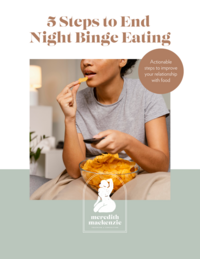
If evenings feel like a cycle of scrolling and snacking, this blog will help you understand what is really going on beneath the surface.
How to Make Nourishing Food Choices Without the Pressure
It is possible to make healthy food choices without turning them into strict rules. The goal is to build trust with your body again.
Start by adding, not taking away. Think about what you can include to feel more satisfied. Maybe that means adding protein to breakfast or including a side that keeps you full longer.
Next, slow down when you eat. This does not mean eating perfectly. It simply means giving yourself a moment to notice taste, texture, and fullness. Even one mindful meal a day can help.
Also, practice flexibility. Some meals will be more balanced than others. That is normal. One meal does not define your health.
Let go of food labels like “good” and “bad.” Instead, notice how foods make you feel. Some foods may give you steady energy. Others may be more about comfort or enjoyment. Both have a place.
You can also check in with your needs. Ask yourself, “What would feel supportive right now?” The answer may be a nourishing meal. It may also be rest or connection. Making healthy food choices becomes easier when you remove the pressure to be perfect.
What to Do When You Do Feel Out of Control Around Food
There will be times when eating feels chaotic. It may feel hard to stop or like something has taken over. These moments can feel scary, but they often make sense when you look closer.
Here are some ways to respond with more support and less pressure:
- Pause and check in without judgment, asking what is going on instead of what is wrong
- Physical needs may be at play, such as not eating enough earlier, which can lead to strong hunger later
- Emotional needs can also drive eating, including stress, loneliness, or feeling worn out
- After eating, avoid trying to fix it with restriction, since that often continues the cycle
- Returning to regular meals and snacks can help your body feel steadier again
- Other forms of support may help, like talking to someone, getting fresh air, or taking time to rest
Over time, these moments can feel less intense as your body and mind become more supported.
If food and control feel deeply tied together, this video will help you understand where those beliefs began.
Making Healthy Food Choices Without Letting Food Take Over Your Life
Caring about food is not the problem. Wanting to feel good and support your health makes sense. The goal is to let food be part of your life, not the center of it.
Making healthy food choices can come from care instead of control. This shift takes time and often means letting go of old rules while building trust with your body.
Health and peace can exist together. Feeling torn is part of the process. Small steps over time can lead to a more balanced relationship with food.
If you read “listen to your body’s hunger and fullness cues” and thought, that sounds nice, but how do I actually do that? That is exactly what I teach inside One Body to Love. This is not about guessing or hoping; it starts to make sense. It is about learning how to truly tune in to your body and make healthy food choices based on what you need and want, both physically and emotionally.
If making healthy food choices feels stressful or all-consuming, support can help you find a calmer way forward. In one-on-one coaching, we create a space to understand your food patterns and ease the pressure to get it “right.”
Together, we look at what is driving overthinking, guilt, or food cycles and build a more flexible, steady way of eating. For more support and simple tools you can use right away, come connect with me on Instagram. You can also explore my podcast or YouTube channel, or book a free call to see what kind of support might feel helpful right now.