Many people hope Ozempic food noise will fade when they start taking the medication. But what if you’re still thinking about food, even when you feel less hungry? You might still plan your next meal, worry about what you should eat, or reach for snacks when you’re stressed.
That’s because food thoughts aren’t always about hunger. Dieting, food rules, and emotions can all play a role. While Ozempic may quiet some food thoughts, it doesn’t always address what’s behind them.
Hi! I’m Dr. Meredith MacKenzie, a binge eating therapist, intuitive eating coach, and founder of the One Body To Love program. If you’re tired of feeling like food is always on your mind, there’s another way to understand what’s happening. For more support with binge eating, food freedom, and life beyond dieting, come join me on Instagram.

What Is Food Noise and How Does Ozempic Affect It?
Food noise describes thoughts about food that feel hard to turn off.
It might look like thinking about your next meal right after eating breakfast. Or checking the kitchen repeatedly, even when you’re not sure you’re hungry.
For some people, these thoughts feel loud and hard to ignore. They can make it tough to focus on work, enjoy time with family, or relax without thinking about food.
Ozempic is a medication that acts like a hormone called GLP-1. It helps manage blood sugar and can slow how quickly food leaves your stomach. It also affects brain signals involved in hunger and fullness.
As a result, some people notice fewer thoughts about food while taking it. However, not everyone has the same experience.
Ozempic may lower your appetite, but that doesn’t mean every thought about food will disappear. Especially when those thoughts are tied to stress, past diets, or how you’ve learned to cope with difficult feelings.
Want to explore the connection between food noise, disordered eating, and GLP-1 medications? Watch this video to learn why quieting food thoughts is only one part of building a more peaceful relationship with food.
Understanding Physical Hunger, Emotional Eating, and Food Noise
Before looking at why Ozempic food noise may continue, it helps to understand the different reasons you might think about food.
- Physical hunger: Your body’s way of telling you it needs food. You might notice a growling stomach, low energy, trouble focusing, or feeling more irritable than usual.
- Emotional eating: This happens when you turn to food to help manage your feelings. Maybe you’ve had a stressful day and want something sweet. Or perhaps you’re feeling lonely, bored, or upset and reach for food to feel better.
- Food noise: These are thoughts about food that feel hard to turn off. You might spend a lot of time thinking about your next meal, planning what to eat, or worrying about food, even when your stomach feels full.
But here’s where things get tricky. These experiences can overlap. For example, you might feel stressed after work, skip lunch because you’re busy, and spend the evening thinking about snacks. Is that physical hunger, emotional eating, or food noise?
It could be a mix of all three. That’s why it’s helpful to get curious about your eating patterns instead of trying to put every food thought into one category.
If you’re having trouble knowing when your body needs food, learn more about listening to your hunger and fullness cues.
Why You May Still Experience Food Noise While Taking Ozempic
If you’re taking Ozempic and still thinking about food, you may feel confused or upset. After all, you’ve probably heard people talk about how quiet their minds became after starting the medication. But several factors can change your experience.
First, Ozempic doesn’t affect everyone in the same way. Some people notice a big change in hunger and food thoughts. Others notice only a small change. Your dose, how long you’ve taken it, and how your body responds can all play a role.
Second, not every food thought comes from hunger. You might still think about food because you’re worried about eating too much. Maybe you feel guilty after having dessert. Or perhaps you’ve spent years counting calories and planning meals.
Those habits don’t always disappear when your appetite changes. You may also be eating less than your body needs. Even without strong hunger signals, your body still needs enough food. If food thoughts are getting louder or harder to manage, talk with your health care provider.
Wondering what happens when you eat past fullness on Ozempic? Read What Happens When You Overeat on Ozempic? to understand how it affects your body without guilt or shame.
How Dieting and Food Restriction Can Keep Food Thoughts Going
Have you ever noticed that the more you tell yourself you can’t have something, the more you want it? Food can work the same way. When you’ve spent years following diets, skipping meals, or cutting out certain foods, your brain can become more focused on eating.
This isn’t a lack of willpower. It’s one way your body tries to protect you when food feels limited. Now imagine taking Ozempic while still following strict food rules.
You may feel less hungry, but you might still worry about eating the wrong foods or losing control around certain meals. That fear can keep food on your mind.
The same thing can happen when you label foods as good or bad. You may spend so much time trying to avoid a food that it becomes even harder to stop thinking about.
Instead of adding more rules, explore where those rules came from and whether they still serve you.
If you’ve been stuck between eating less and feeling out of control around food, read Understanding the Binge-Restrict Cycle to learn why restriction can keep the cycle going.
Why Boredom Eating Happens and How to Stop Turning to Food When You’re Not Hungry
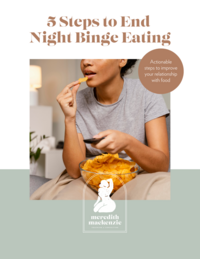
Sometimes food thoughts show up when you’re bored. Maybe you’re watching TV, scrolling on your phone, or taking a break from work. Suddenly, you want a snack.
Boredom eating often happens because food offers comfort, pleasure, or something to do. And there’s nothing wrong with enjoying food when you’re not hungry.
But if boredom eating has become a habit, here are a few ways to better understand it:
- Check in with yourself: Are you hungry, bored, tired, or looking for a break?
- Notice what you need: Maybe you’re craving some fun, rest, or connection rather than food.
- Explore other options: Call a friend, go outside, or do something you enjoy.
- Give yourself permission to eat: If you still want a snack, that’s okay. You don’t need to feel guilty.
The goal isn’t to stop boredom eating completely. It’s to understand your needs so food doesn’t feel like your only option.
Want to understand what might be behind your food cravings? Listen to this podcast episode to explore how stress, exhaustion, and emotions can shape your eating habits and what your body may be trying to tell you.
What Happens to Food Noise When You Stop Taking Ozempic?
One common question about Ozempic food noise is what happens when you stop taking the medication. For some people, hunger and food thoughts increase again.
This can happen because the medication no longer affects appetite signals the same way. You may notice that you feel hungry more often or think about food more than you did while taking it.
That doesn’t mean you’ve failed. It also doesn’t mean you need to fight those feelings. Your body may be responding to changes in hunger signals, so make sure you’re getting enough food. If you’ve also spent years dieting, old food fears or eating patterns may become more noticeable.
This is one reason it can help to work on your relationship with food, whether you’re taking medication or not.
If you’re thinking about stopping Ozempic, speak with your prescriber first. They can help you understand what changes to expect and how to care for your health.
Want to better understand why food is always on your mind? Read What Is Food Noise and How Do You Calm It Without More Rules? to learn what drives these thoughts and how to find more peace with food without adding more restrictions.
Finding Peace With Food Beyond Appetite Suppression and Medication
Fewer food thoughts don’t always mean food freedom.
You might feel less hungry on Ozempic but still feel guilty after eating, avoid certain foods, or worry about your appetite returning.
Food freedom means trusting your body, enjoying food without guilt, and responding to your needs with care.
Whether you take medication or not, regular meals, working through food guilt, and finding ways to cope with stress can help you build a more peaceful relationship with food.
Noticing more hunger after stopping GLP-1 medication? Read Increased Appetite After GLP-1s to understand why it happens and how to respond without falling back into food restriction.
Ozempic Food Noise: Building a Better Relationship With Food
Ozempic food noise can be confusing when medication doesn’t quiet your food thoughts. While it may change your hunger, it doesn’t always address the habits, fears, and emotions tied to eating. Understanding these patterns can help you find more peace with food.
If you’re ready to explore food freedom beyond food rules and appetite control, my intimate group education and coaching program, One Body To Love, can help you build more trust with food and your body. If you’d prefer more personal support, you can also explore my 1:1 coaching. Not sure which option fits? Book a free discovery call, and we can talk about what support feels right for you.
For more conversations about binge eating recovery, emotional eating, intuitive eating, and body image, subscribe to my YouTube channel and tune in to my podcast for practical tools and support as you build a more peaceful relationship with food and your body.