
If you’ve spent years trying one diet after another, you may wonder why diets don’t work even when you follow the rules. You may start with hope, lose some weight, and feel like you’ve finally found the answer. Then hunger gets stronger, food takes up more space in your mind, and old eating habits return.
When this happens, it’s easy to blame yourself. Maybe you think you weren’t strict enough or didn’t have enough willpower. However, diets often fail because your body is doing exactly what it’s built to do.
Your body doesn’t know that you’re trying to fit into smaller clothes or change a number on the scale. It only knows that it’s getting less food. As a result, it may respond by making you hungrier and more focused on eating.
Understanding this can change the way you see your struggles with food. Instead of asking, “Why can’t I stick to a diet?” you can start asking, “What has dieting been doing to my body and my relationship with food?”
Hi! I’m Dr. Meredith MacKenzie, a binge eating therapist, intuitive eating coach, and founder of the One Body To Love program. If dieting has left you feeling frustrated, stuck, or confused around food, there’s a reason those rules are so hard to maintain. For more support and encouragement, come join me on Instagram.

Why Most Diets Fail Long-Term
Most diets start with a set of rules. You might count calories, cut out certain foods, skip meals, or eat smaller amounts. At first, following these rules can feel exciting. There may even be a sense of control.
The problem is that strict food rules are hard to keep up over time. Life gets busy. Hunger changes from day to day. Holidays happen. Stress builds. Your body also needs enough food to function, think, move, and get through the day.
When you can’t keep following the plan, it may feel like you failed the diet. In many cases, though, the diet wasn’t built to meet your needs for the long term.
This is an important part of understanding why diets don’t work. Diets often ask you to ignore hunger and follow outside rules instead. Your body may put up with that for a while, but it will keep trying to get its needs met.
Want to go a little deeper? Watch 5 Reasons Why Diets Don’t Work (and What To Do Instead) to learn why dieting keeps you stuck and what you can try instead.
The Biology Behind Weight Regain
Your body is built to protect you. When it senses that food is limited, hunger can increase, thoughts about food may get stronger, and high-energy foods can feel more appealing.
These responses aren’t a lack of discipline. They’re your body’s way of making sure it gets enough food. Just like holding your breath makes the need for air stronger, ignoring hunger can make the drive to eat harder to ignore.
This is one reason weight regain after dieting is so common. Your body may respond to restriction by working harder to protect its energy needs.
How Dieting Affects Your Relationship With Food
Dieting doesn’t just affect what you eat. It can also change how you think and feel about food. Over time, food can start to feel like something you need to control rather than something you can enjoy and trust yourself around.
You might notice:
- Foods become “good” or “bad.” Eating a salad might make you feel proud, while eating a cookie brings guilt.
- Eating starts to feel like a test. You may judge your day based on how well you followed your food rules.
- Certain foods become harder to stop thinking about. Tell yourself you can’t have chips, and suddenly you may notice chips everywhere.
- Breaking a food rule can lead to overeating. Once you eat the “forbidden food”, you might think you’ve already messed up and keep eating past comfort.
- Guilt leads to more restriction. You may try to make up for what you ate by cutting back again, which keeps the cycle going.
This is another reason why diets don’t work for many people. The more you restrict certain foods, the more powerful those foods can start to feel.
Want to learn more about how diet culture can hide in everyday wellness advice? Read How to Spot Sneaky Diet Culture (Even in “Wellness” Spaces) next.
The Diet-Binge Cycle Explained
The diet-binge cycle can feel confusing when you’re stuck inside it. Yet, the pattern often makes sense once you see how each part connects.
It may begin with restriction. You decide to eat less, avoid certain foods, or “be good.” Over time, your body gets hungry and your mind gets tired of following so many rules.
Next, the urge to eat grows stronger. You may find yourself eating quickly or feeling out of control around foods you’ve been avoiding. Sometimes this becomes a binge.
Afterward, guilt and shame can show up. You may promise yourself that tomorrow will be different. So, you start another strict plan to make up for what happened.
Then the cycle starts again.
Dieting leads to restriction. Restriction increases hunger and food thoughts. Eating brings guilt. Guilt leads back to another diet.
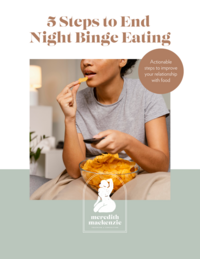
Seeing this pattern matters because binge eating doesn’t happen in a bubble. Sometimes the urge to binge is a direct response to not getting enough food earlier in the day.
Ready to step out of the binge restrict cycle without more food rules? Read this blog next.
Why Willpower Isn’t the Problem
Many people believe they could finally get food under control if they had more willpower. But willpower can’t override hunger or meet the emotional needs that may be driving you toward food.
Several things can affect how and why you eat:
- Hunger: Not eating enough can lead to stronger urges to eat later.
- Stress: Food may offer comfort after a difficult day.
- Exhaustion: Being tired can make it harder to notice what you need.
- Emotions: Food may help you cope with sadness, boredom, or overwhelm.
- Caregiving: When everyone else comes first, food may become a quick way to care for yourself.
Instead of asking how to have more control, try getting curious about what you need. That information can be far more helpful than another set of diet rules.
Ready to build a more peaceful relationship with food without another diet? Read this blog next.
What Works Better Than Dieting?
Learning why diets don’t work doesn’t mean giving up on your health. It means finding ways to care for yourself without restriction, guilt, or fear.
Intuitive eating can help you notice hunger, fullness, and what your body needs. If you’ve dieted for years, these signals may feel confusing at first, and that’s okay.
With practice, you can slowly rebuild trust with food. Eating regularly, giving yourself permission to eat, and staying curious about your needs can help food feel less stressful and more natural.
Want to uncover the diet culture lies that may be keeping you stuck? Read this blog next.
Building Sustainable Habits Without Restriction
Sustainable habits don’t need to start with cutting out foods or creating more rules. Instead, you can focus on adding care and responding to what your body needs.
That might look like:
- Eating regularly: Skipping meals can leave you overly hungry and more likely to feel out of control around food later.
- Getting enough food: Meals and snacks that satisfy you can help reduce constant thoughts about food.
- Making peace with comfort foods: Food can be comforting. You don’t need to take that away to build a healthier relationship with eating.
- Adding other forms of care: Rest, quiet time, movement, music, or support can give you more ways to cope with a stressful day.
- Listening to your needs: Notice hunger, fullness, energy, and emotions without judging what comes up.
Small, flexible changes often feel much more sustainable than another strict plan. Over time, they can help you build more trust and calm around food.
Want to explore the emotional cost of dieting and restriction? Watch this video next.
Moving Beyond the Diet Cycle
Understanding why diets don’t work can help you see your struggles with food in a new way. Instead of adding more rules, you can begin listening to your body, meeting your needs, and building habits based on care rather than restriction. Food freedom takes time, but each small step can help you create a calmer, more trusting relationship with food.
If you’re tired of the diet cycle and want support building a more peaceful relationship with food, my intimate group education and coaching program, One Body To Love, can help you move away from restriction and rebuild trust with your body. If you’d prefer more personal support, you can also explore my 1:1 coaching. Not sure which option is right for you? Book a free discovery call, and we can talk about what support might fit best.
For more tools and conversations about binge eating recovery, intuitive eating, and food freedom, subscribe to my YouTube channel and tune in to my podcast for honest conversations and practical support along the way.