Fatphobia can shape how we see bodies, health, food, and our own worth. Because these messages are so common, they can be easy to miss.
Maybe you learned that being thin meant being healthy or attractive. Over time, jokes about larger bodies or pressure to lose weight may have shaped how you feel about your own body.
These messages can affect your body image, relationship with food, and how you care for yourself. Understanding where these beliefs come from can help you question them and build a more respectful relationship with your body.
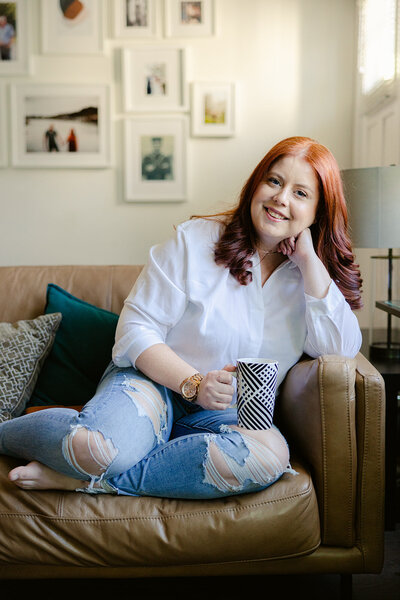
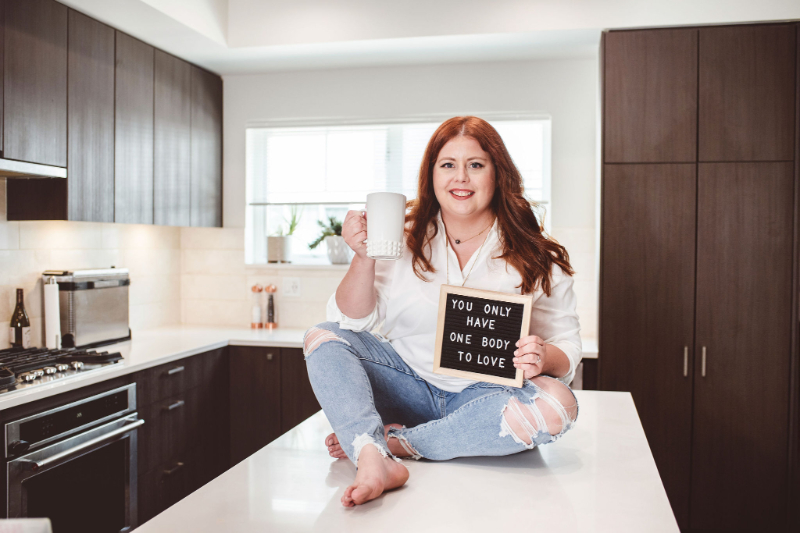
Hi, I’m Dr. Meredith MacKenzie, a binge eating therapist and intuitive eating coach. If diet culture and body shame are affecting your relationship with food, my group program, One Body To Love, can help you step away from food rules and the binge-restrict cycle. I also offer 1:1 coaching for more personal support. For more on food freedom and body image, you can find me on Instagram.
What Is Fatphobia?
Fatphobia is the fear, judgment, or unfair treatment of people in larger bodies. It can show up in everyday comments and actions, but it can also be built into healthcare, workplaces, schools, clothing stores, and media.
Sometimes it’s obvious, like jokes or cruel comments about weight. Other times, it’s more subtle. Someone may assume that a larger person is lazy or unhealthy, a doctor may focus on weight rather than symptoms, or a store may offer few options in larger sizes.
These messages can also shape how you see your own body. After hearing them for years, you may start to believe them. The good news is that learned beliefs can be questioned and unlearned.
Wondering if weight loss always means better health? Watch Is Weight Loss Always Healthy? for a closer look at health beyond the number on the scale.
How Fatphobia Shows Up in Society
Fatphobia is often hidden inside ideas and comments that seem normal. Because we hear these messages so often, it can be hard to notice how much they shape the way we think about bodies.
Some common examples can include:
- Movies and television: Larger characters may be shown as lazy, messy, unhealthy, or unhappy. Their body size may also be used as a joke.
- Weight loss stories: Losing weight is often treated as a sign of success, even when we know nothing about the person’s health or what caused the weight change.
- Social media: Before-and-after photos, weight loss ads, body trends, and wellness content can send the message that smaller bodies are better bodies.
- Everyday conversations: People may say they feel fat after eating a large meal or talk about needing to work off certain foods.
- Comments about weight: Friends and family may praise weight loss or comment on someone’s body without knowing what that person is going through.
- Judging food choices: People may describe themselves as good or bad based on what they ate that day.
Over time, these messages can teach us to judge and control our bodies. If you struggle with binge eating or body image, they can also make healing harder by linking food trust to weight loss.
Struggling with how you see or feel about your body? Watch The Top 3 Body Image Struggles My Clients Face to learn what can help.
The Difference Between Fatphobia and Weight Bias
Fatphobia and weight bias are closely linked, but they don’t mean exactly the same thing. Weight bias refers to beliefs or judgments about someone based on their weight. Weight stigma happens when those beliefs lead to shame, rejection, or unfair treatment.
This issue is broader than weight bias alone. It also includes social messages and systems that treat thin bodies as more acceptable. This can affect people at any size. Fear of weight gain can lead to dieting, strict food rules, body checking, and feeling like you always need to control your body.
Having a hard body image day and feeling pulled back toward dieting? Watch How to Handle Bad Body Image Days Without Starting Another Diet for a more supportive way through it.
The Impact on Mental Health
Living with fatphobia can affect your mental health, body image, and relationship with food. When certain bodies are treated as a problem, it can be hard not to internalize those messages.
Fatphobia may lead to:
- Poor body image: Comparing your body to others or feeling like you fall short.
- Avoiding parts of life: Skipping photos, swimming, dating, social events, or certain clothes.
- Fear of weight gain: Feeling pressure to control your body or stop it from changing.
- Strict food rules: Skipping meals, avoiding certain foods, or trying to eat perfectly.
- Binge-restrict cycles: Restriction can make food feel more urgent, leading to binge eating, guilt, and more restriction.
- Shame and self-criticism: Blaming yourself for eating when you feel out of control.
These patterns aren’t simply about willpower. Stress, emotions, restriction, and learned beliefs about food and bodies can all play a role. Fear of weight gain can make these patterns even harder to change.
Not sure how to say no to the scale at a medical appointment? Watch How to Ask Not to Be Weighed at the Doctor for simple ways to speak up for yourself.
Fatphobia in Healthcare
Healthcare should be a place where people feel heard and cared for. Yet weight bias can make medical care stressful for people in larger bodies. Symptoms may be blamed on weight before they’re fully explored, or weight loss may be suggested without addressing the reason for the visit. These experiences can even lead some people to avoid seeking care.
Fatphobia can also show up in the healthcare space itself. Chairs, blood pressure cuffs, and gowns may not fit larger bodies, leaving people feeling unwelcome.
Body size alone doesn’t tell us how healthy someone is. Health is shaped by many factors, including sleep, stress, genetics, food access, mental health, medications, and access to care.
Everyone deserves respectful healthcare at every size. If weight becomes the focus of an appointment, you can ask questions, share your concerns, and ask whether the same care would be offered to someone in a smaller body.
If weight bias has made doctor visits feel stressful or dismissive, knowing how to speak up can help. Read How to Advocate for Yourself at the Doctor for practical ways to get the care you deserve.
Changing How You Think About Bodies
Unlearning fatphobia takes time. You may understand these messages and still wish your body looked different. You may want food freedom while also wanting weight loss. Both can be true.
You don’t have to be body positive enough to begin. Start by getting curious:
- Question old beliefs: Where did you learn that some bodies were better or healthier than others?
- Notice your self-talk: Pay attention to how you speak to yourself about your body.
- Explore body fears: What feels scary about weight gain or your body changing?
- Challenge diet culture: Ask whether harsh body thoughts reflect your values or what you’ve been taught.
- Change what you see: Choose content that includes different body sizes without making weight loss the goal.
- Practice body respect: You don’t have to love your body to care for it and treat it with respect.
Small shifts like these can help you challenge old beliefs and see bodies with more care and less judgment.
Ready to build more trust with food? Read Unconditional Permission to Eat to learn why permission, not restriction, is key to food freedom.
Creating a More Inclusive World
Unlearning fatphobia isn’t only about how you see your own body. It’s also about treating people of all sizes with respect. This can mean avoiding weight-related comments, questioning praise for weight loss, and speaking up when larger bodies are used as jokes.
It also means creating spaces that welcome all bodies, from inclusive clothing and seating to healthcare tools that fit different sizes. We can teach children that bodies naturally come in many shapes and sizes. Everyone deserves respect, no matter their size, health, eating habits, or ability.
Holding onto a goal weight can make body acceptance feel out of reach. Read Letting Go of the ‘Goal Weight’ to explore a different way forward.
Moving Toward Body Respect and Food Freedom
Fatphobia can shape how we see our bodies, health, and each other. Unlearning these messages takes time, and you don’t have to love your body or let go of every fear about weight gain to begin. Start by questioning old beliefs and choosing more respectful ways to think about bodies. Small shifts can create more space for body trust, food freedom, and a life that isn’t defined by body size.
Ready to build a more peaceful relationship with food and your body? One Body To Love, my group coaching program, gives you a supportive space to challenge diet culture, work through body shame, and build trust with food without making weight loss the goal.
If you’d rather move at your own pace, Food Freedom in a Weekend offers practical tools to help you step away from food rules, all-or-nothing thinking, and the binge-restrict cycle.
Looking for more personal support? My 1:1 coaching gives you space to explore binge eating, body image, and fear of weight gain with compassion and curiosity. If you’re not sure which support is right for you, you can book a free discovery call, and we can talk about what you need.
And if you’re just starting to question fatphobia and diet culture, you can explore my free resources, including the One Body To Love podcast and YouTube channel, along with helpful downloads. You don’t have to love your body every day to start treating it with more care and respect.