Unconditional permission to eat is one of the hardest parts of intuitive eating. It can also be one of the most healing. If you’ve spent years dieting, counting calories, or trying to control food, the idea of giving yourself unconditional permission to eat can feel scary, confusing, or even wrong.
Many people worry they’ll lose control if they stop making food rules. That fear makes sense. Diet culture teaches us that we need rules to stay in control. But when food is always limited or labelled as “good” or “bad,” it often becomes more tempting.
Giving yourself unconditional permission to eat doesn’t mean eating without thought or ignoring your body’s needs. It means removing food rules so you can build trust with yourself again. That trust creates space for food freedom and a more peaceful relationship with eating.
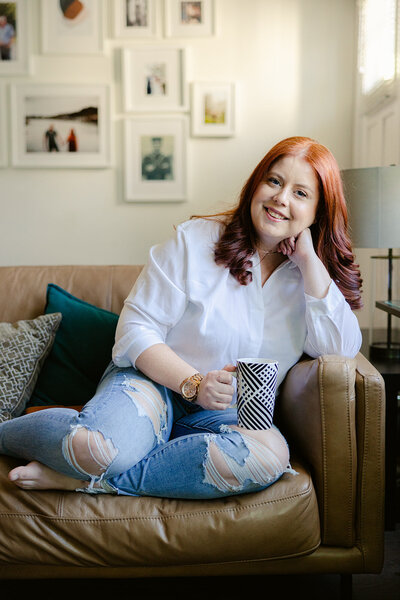
Hi, I’m Dr. Meredith MacKenzie, a binge eating therapist and intuitive eating coach. If the idea of giving yourself unconditional permission to eat feels scary, confusing, or even impossible, you’re in the right place. Healing your relationship with food doesn’t happen through more rules. Inside my group program, One Body To Love, you’ll learn how to rebuild trust with food, reduce binge eating, and create lasting food freedom. For more support and practical tools, connect with me on Instagram.
What Is Unconditional Permission to Eat?
Unconditional permission to eat means allowing yourself to eat all foods without guilt, shame, or strict rules. It is one of the ten principles of Intuitive Eating, created by registered dietitians Evelyn Tribole and Elyse Resch.
Many people think permission means they have to eat every food all the time. That’s not what it means. Instead, it means every food is allowed. You get to decide what sounds good, what satisfies you, and what feels good in your body.
When foods are no longer forbidden, they often lose some of their power. A cookie becomes a cookie instead of a test of willpower. Ice cream becomes dessert instead of something you have to eat before starting another diet on Monday.
This change doesn’t happen overnight. It takes time to build trust after years of food rules.
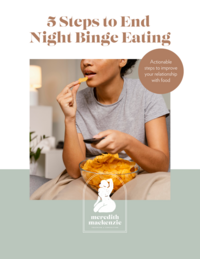
Wondering if eating chips means you’re doing intuitive eating “wrong”? Read If Listening to My Body Means Eating Chips… Am I Doing It Wrong? to learn why honouring your cravings can be part of healing your relationship with food and building lasting food freedom.
Why It Feels So Scary
If you’ve lived with diets for years, unconditional permission to eat may feel unsafe.
Many people have learned to believe that rules protect them from overeating. Without those rules, it can feel like anything could happen.
You might think:
- “I’ll eat junk food all day.”
- “I’ll never stop eating.”
- “I’ll gain weight forever.”
- “I need some control.”
These fears often come from past experiences with restriction. When your body doesn’t know when food will be available again, it’s normal to want more of it.
This response isn’t a lack of willpower. It’s a response to restriction. Research has shown that limiting food, whether through dieting or food rules, can increase cravings and make overeating more likely for many people.
If you’ve been caught in the binge-and-restrict cycle, it makes sense that permission feels uncomfortable at first. Your brain has learned that food could disappear again.
Want to explore this idea more? Watch this video on the beliefs we inherit about food, our bodies, and control.
Common Myths About Permission
Many people misunderstand unconditional permission to eat. Let’s look at a few common myths.
Myth: Permission means eating everything all the time.
Permission doesn’t remove choice. It gives you more choice. Some days you may want pizza. Other days soup sounds better. Both are allowed.
Myth: Permission causes binge eating.
People often worry that giving themselves permission will make binge eating worse.
In the beginning, some people notice they eat more of foods that were once off limits. This is sometimes called the “honeymoon phase” of intuitive eating. For many people, this settles as food becomes less exciting and trust grows. The process is different for everyone, especially for people healing from binge eating or long-term restriction.
Myth: Healthy eating no longer matters.
Health still matters. The difference is that food choices come from care instead of fear. You can enjoy vegetables because they help you feel good. You can also enjoy cake because it brings pleasure. Both can fit into a healthy relationship with food.
How Permission Reduces Binge Eating
Many binges begin long before the first bite.
Sometimes they start with thoughts like:
“I’ve already eaten too much.”
“I’ll be good tomorrow.”
“I shouldn’t have had that.”
These thoughts create guilt and make food feel urgent. When food feels scarce, it’s easy to eat past fullness because part of your brain worries there won’t be another chance.
Unconditional permission to eat helps reduce that urgency. If you know you can have the food again tomorrow, there is less pressure to eat it all today.
Over time, many people notice they can pause before eating. They can check in with hunger, satisfaction, and emotions instead of reacting to food rules.
This doesn’t happen because they gained more self-control. It happens because food no longer feels like it must be eaten before the chance is gone.
For people living with binge eating disorder, healing often includes more than giving yourself permission to eat. Therapy, medical care, and support can also be important parts of recovery.
Food peace isn’t just about what you eat. Read 5 Signs You’re Finding Food Peace (That Have Nothing to Do With Food) to see the meaningful changes that often happen along the way.
What Permission Does (and Doesn’t) Mean
Unconditional permission to eat does mean:
- Allowing all foods.
- Letting go of guilt after eating.
- Learning from eating experiences without judging yourself.
- Making food choices with kindness.
It doesn’t mean:
- Ignoring hunger or fullness forever.
- Eating when you don’t want food.
- Forcing yourself to eat foods you dislike.
- Giving up on caring for your health.
As trust grows, many people naturally become more aware of how different foods make them feel. That awareness comes from curiosity instead of rules.
Feeling disconnected from your hunger and fullness cues? Read How to Eat Intuitively (Even If You Feel Totally Disconnected From Hunger Cues) to learn gentle ways to rebuild trust with your body.
Learning to Trust Yourself Again
Trust doesn’t appear overnight. If you’ve spent years believing your body can’t be trusted, rebuilding that relationship takes patience.
You might notice old thoughts showing up.
“I should skip lunch.”
“I need to make up for dessert.”
“I’ve ruined today.”
Instead of arguing with those thoughts, try noticing them.
Then ask yourself:
“What do I need right now?”
Sometimes the answer is food.
Sometimes it’s rest.
Sometimes it’s comfort or connection.
Food can’t solve every feeling. At the same time, hunger deserves respect. Learning the difference takes practice, and that’s okay. Many people expect themselves to get intuitive eating “right.” There isn’t a perfect way to do this. Every meal is another chance to learn about your body.
Food guilt can make every meal feel stressful. Read How to Eat Without Feeling Guilty (Even If You’ve Struggled for Years) to learn practical ways to let go of guilt, build trust with food, and find a more peaceful way to eat.
Building Food Freedom One Step at a Time
Food freedom doesn’t happen because you follow another set of rules. It grows through repeated experiences of keeping your body fed, allowing all foods, and noticing what helps you feel satisfied.
Some days will feel easy. Other days may bring old fears back. That’s a normal part of changing habits that have been in place for years.
If unconditional permission to eat feels overwhelming, start small. Choose one food you’ve been avoiding. Give yourself permission to eat it without trying to earn it first.
Notice how it tastes and how you feel before, during, and after eating. Then remind yourself that the food will still be available tomorrow. Small moments like these help build trust over time.
Food freedom isn’t about eating perfectly. It’s about creating a relationship with food where guilt, fear, and constant rules no longer run your life. Unconditional permission to eat is one of the first steps toward that freedom.
Want to learn why willpower isn’t the answer? Watch this video to learn what really supports food freedom.
Unconditional Permission to Eat Is the First Step to Food Freedom
Giving yourself unconditional permission to eat isn’t about giving up on your health. It’s about letting go of the food rules that keep you stuck in the binge-and-restrict cycle. As you begin to trust yourself around food, eating can become less stressful and more peaceful.
If you’re ready to build that trust, I’d love to support you. Inside One Body To Love and through one-on-one coaching, we’ll work together to reduce binge eating, quiet food guilt, and create a relationship with food that feels calm, flexible, and sustainable.
You can also listen to my podcast or visit my YouTube channel for practical tools and gentle guidance. If you’d like to explore what kind of support feels like the best fit, you’re always welcome to book a free consultation.