Body grief is the deep sadness that can come when your body changes in ways you didn’t expect or want. Body grief is real, and it can happen after weight changes, illness, aging, pregnancy, menopause, injury, or changes in how your body works.
Many people think grief only happens after losing a loved one. But grief can also happen when you lose something that felt like part of your identity. That might be the body you once had, the clothes that no longer fit, or the way you used to move with ease.
If you’ve been feeling sadness, anger, fear, or even shock about changes in your body, those feelings make sense. You don’t have to rush past them. Making space for body grief can be an important part of healing your relationship with your body.
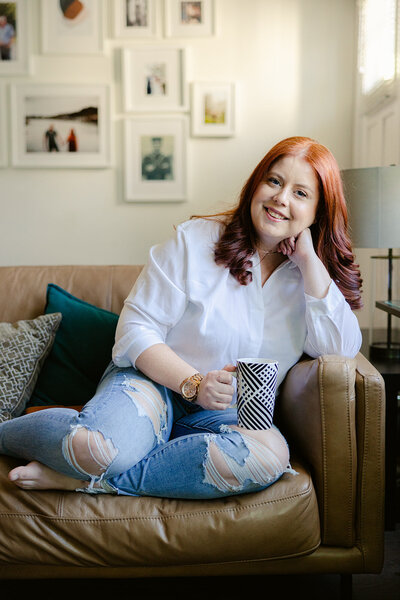
Before we get started, welcome if you’re new here. I’m Dr. Meredith MacKenzie, a binge eating therapist and intuitive eating coach. If changes in your body have left you feeling sad, frustrated, or unsure how to move forward, I want you to know those feelings deserve care, not judgment. My work is all about helping people heal their relationship with food and their bodies without diets, shame, or strict rules.
If that sounds like the kind of support you’ve been looking for, come join me on Instagram for practical tips, gentle encouragement, and honest conversations about binge eating recovery, intuitive eating, and body image. And if you’re ready for more personalized support, I’d love to work with you through my 1:1 coaching, where we can explore your relationship with food and your body together.

What Is Body Grief?
Body grief is the emotional pain that comes with losing the body you once knew or hoped to have. While “body grief” isn’t a medical diagnosis, many therapists and eating disorder professionals use the term to describe this experience because it helps people name a very real sense of loss.
Your body may have changed because of:
- Weight gain or weight loss
- Pregnancy and birth
- Menopause
- Aging
- Illness or disability
- Surgery or injury
- Medication
- Changes in movement or strength
Sometimes the change happens slowly. Other times it happens all at once. Looking in the mirror might feel like seeing someone you don’t recognize. You may miss the body you had before or the things it once allowed you to do.
These feelings don’t make you shallow. They simply show that something important has changed.
If you’re finding it hard to accept your changing body, I think you’ll find this video helpful. Watch Body Respect When You Don’t Love How You Look: What Body Image Healing Really Means.
Why Body Changes Can Feel Like a Loss
Our bodies are closely tied to how we see ourselves.
Many people build part of their identity around their appearance, fitness, health, or ability to do certain things. When those things change, it can feel like a piece of your life has changed too.
For example, you might grieve:
- The strength you had before an injury.
- Clothes that used to fit differently.
- A younger version of yourself.
- Your health before a medical diagnosis.
- The sense of control you once felt before your body changed.
You can also grieve the plans you had for yourself. Maybe you thought your body would always look a certain way. Maybe you believed that if you worked hard enough, you could stop it from changing.
When life doesn’t match those hopes, grief often follows. Grief isn’t a sign that you’ve failed. It’s a natural response to loss, and loss comes in many forms.
Bad body image days happen to all of us. Read How to Handle Bad Body Image Days Without Starting Another Diet for practical ways to care for yourself without turning to restriction or starting over.
How Diet Culture Intensifies Body Grief
Diet culture teaches us that our worth depends on our size, shape, or weight. From a young age, many people hear messages that smaller bodies are better, aging should be hidden, and weight gain means something has gone wrong.
These messages can make body grief much harder. Instead of simply grieving a change, you may also feel shame. You may blame yourself. You may believe you should have tried harder to stop your body from changing.
This often leads people back into dieting. At first, dieting can seem like a way to get rid of the pain. But for many people, it creates more stress and keeps them focused on trying to get their old body back.
That can make it harder to accept the reality of the body you live in today. What you’re feeling deserves care, not punishment.
Many diet culture messages are easy to miss because they’re often packaged as health or wellness advice. I talk more about that in How to Spot Sneaky Diet Culture (Even in “Wellness” Spaces).
Making Space for Grief Without Judgment
Many people try to talk themselves out of body grief. They tell themselves they shouldn’t feel this way or that they should be over it by now. But those thoughts often add guilt on top of sadness.
Instead, give yourself permission to notice what’s coming up without judging it. You might ask yourself:
- Why does this change feel so hard?
- What am I grieving today?
- What do I miss about my body before?
- What has changed in my daily life?
- What would I say to a friend who felt this way?
You don’t have to answer these questions right away. Simply naming what you’re feeling can be an important first step.
It’s also helpful to remember that grief doesn’t follow a straight path. Some days will feel lighter, while others may feel heavy again. That doesn’t mean you’re moving backward. It’s simply how grief often works.
Rejecting the diet mentality is about much more than choosing not to diet. I explain why it matters, especially in binge eating recovery, in What It Really Means to Reject the Diet Mentality (And Why It Matters for Binge Eating Recovery).
Finding Compassion for Your Changing Body
Self-compassion doesn’t mean pretending you love every change. Instead, it means treating yourself with the same kindness you would offer someone you care about.
Think about how you would respond if a friend was grieving changes in her body. You probably wouldn’t tell her to stop feeling sad. You’d listen with care, remind her that her feelings matter, and give her space to process what she’s going through.
That same kindness belongs to you.
As you move through body grief, it can also help to notice what your body still does each day. It may let you hug your children, laugh with friends, take a walk outside, or get through a busy day at work.
None of this is about ignoring the parts that feel painful. The goal is simply to make room for the whole picture. Your body can be struggling in some ways while still supporting you in others.
Research has found that body appreciation is linked with better emotional well-being and greater self-compassion. Body appreciation doesn’t require loving every part of your body. Instead, it grows from treating your body with respect, care, and compassion.
If social media often leaves you feeling like your body isn’t good enough, read Social Media and Body Image: Why It’s Impacting You More Than You Think to understand why it affects us so deeply and how to protect your peace.
Moving Toward Acceptance and Body Trust
Acceptance doesn’t mean giving up. It means seeing your body as it is today instead of spending all your energy fighting reality. That can take time. Body trust also grows slowly.
You might begin by asking:
- What does my body need today?
- Am I tired?
- Am I hungry?
- Do I need rest?
- Would gentle movement feel good?
These small questions help shift your focus away from changing your body and toward caring for it. As you respond to your body’s needs, trust can begin to grow. Not because your body has changed back, but because your relationship with it has started to change.
Learning to trust your body can feel very different from the messages we’ve been taught about health. If you’re curious about a weight-inclusive approach, watch What Are the Health at Every Size Principles? to learn more.
Healing Doesn’t Mean Loving Your Body Every Day
Body grief can feel heavy, but it doesn’t have to stay that way forever. Give yourself permission to grieve the changes you’ve experienced while also caring for the body you have today. Healing isn’t about forcing yourself to feel positive every day. It’s about meeting yourself with patience, compassion, and respect, even on the hard days. With time, those small acts of care can help you build a more peaceful relationship with your body, just as it is today.
If you’ve been struggling to come to terms with changes in your body, healing doesn’t have to happen on your own. My One Body To Love group coaching program can help you rebuild trust with food, let go of body shame, and care for your body with more compassion.
Looking for a smaller first step? Food Freedom in a Weekend offers practical tools to help you step away from all-or-nothing thinking. If you’d like more personalized support, my 1:1 coaching provides a safe space to explore your relationship with food and your body.
You can also find more support on my podcast and on my YouTube channel. If you’re not sure where to begin, book a free discovery call. I’d love to help you find the support that’s right for you.