If the words intuitive movement sound new to you, you’re not alone in wondering what they mean. Intuitive movement is about listening to your body and choosing movement because it feels good, not because you think you have to earn food or change your body.
For many people, exercise has become tied to guilt, shame, or pressure. It can feel like another task on a long to-do list. Maybe you’ve pushed yourself through workouts you hated because you thought you “should.” Or perhaps you’ve avoided exercise altogether because it reminded you of every diet that didn’t work.
It doesn’t have to stay that way. Movement can become something that supports your body and mind instead of leaving you feeling defeated. When you let go of strict rules, you have room to discover what feels good and what works for your life.
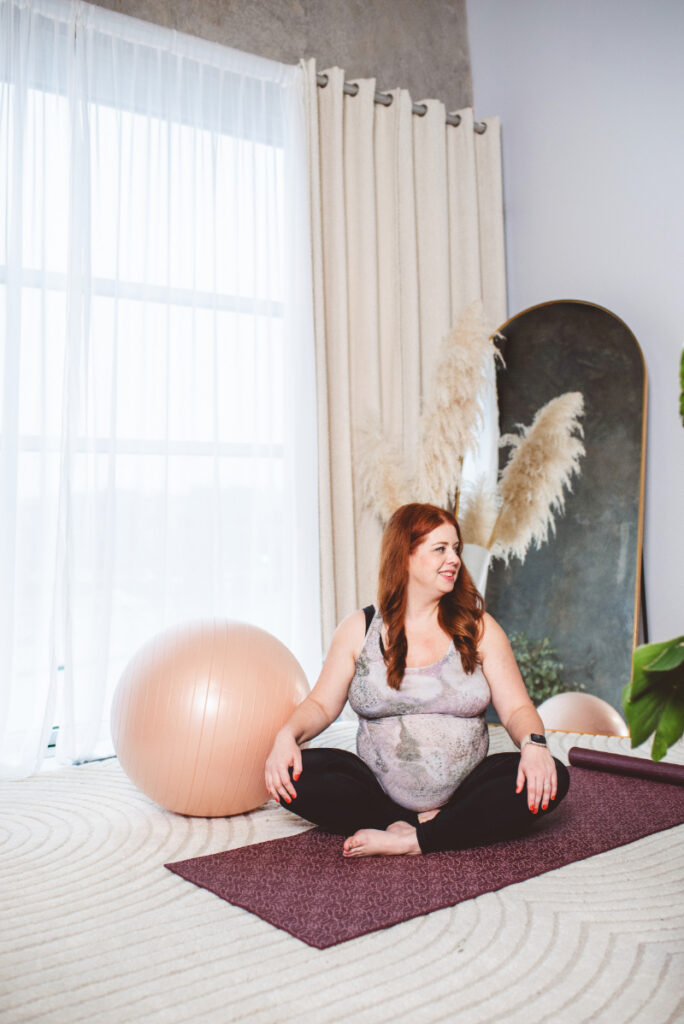
Hi, I’m Dr. Meredith MacKenzie, a binge eating therapist and intuitive eating coach. If exercise has started to feel like another rule to follow or something you do out of guilt, you’re in the right place. Healing your relationship with movement is just as important as healing your relationship with food. Inside my group program, One Body To Love, you’ll learn how to let go of diet culture, reconnect with your body’s cues, and build habits that feel supportive instead of punishing. For more practical tips and encouragement, come connect with me on Instagram.
What Is Intuitive Movement?
Intuitive movement is a flexible approach to physical activity that encourages you to notice how your body feels before, during, and after moving. Instead of following strict exercise rules, you choose movement based on your energy, comfort, and enjoyment.
Like intuitive eating, intuitive movement helps you reconnect with your body’s natural cues. Rather than focusing on calories or changing your body, it encourages you to balance movement with rest.
That doesn’t mean every workout has to feel easy. Some forms of movement are naturally challenging. The goal is to notice the difference between a healthy challenge and pushing yourself out of guilt or fear.
One day your body may enjoy a long walk. Another day, stretching, dancing, gardening, or resting may feel like the better choice. Intuitive movement is about listening to your body instead of punishing it.
Still struggling with weight loss desires? Read How to Navigate Weight Loss Desires Without Going Back to Dieting.
Why Traditional Exercise Advice Often Backfires
Many fitness messages focus on burning calories, earning treats, or changing your appearance. While these messages are common, they can create an unhealthy relationship with exercise for many people.
Research has found that people are more likely to keep moving when they enjoy the activity and feel personally motivated, rather than feeling pressured by outside expectations. When movement becomes something you have to do, it often feels like another chore instead of an act of self-care.
Exercise can also become part of the binge-and-restrict cycle. Someone may try to “make up” for eating certain foods by exercising longer or harder. Then exhaustion, frustration, or life gets in the way, leading to guilt and giving up altogether.
This cycle isn’t about lacking willpower. It’s often the result of rigid rules that leave little room for real life.
If fear of weight gain is making it hard to enjoy movement, watch Scared of Gaining Weight | How to Make Peace with Your Body.
Reconnecting with Joyful Movement
Many adults have forgotten what joyful movement feels like. As children, we often moved because it was fun. We climbed, danced, ran, explored, and played without thinking about calories or step counts.
That sense of freedom can return. Start by asking yourself simple questions.
- What activities have I enjoyed in the past?
- When do I feel most comfortable moving?
- What kinds of movement leave me feeling better afterward?
The answers may surprise you. Joyful movement doesn’t have to happen in a gym. You might enjoy walking with a friend, swimming, hiking, riding a bike, playing with your kids, practicing yoga, or dancing to your favorite songs.
The best movement is often the kind you’ll actually want to do again.
Still holding on to a goal weight? Read Letting Go of the ‘Goal Weight’: How to Grieve a Body That Was Never Yours to Keep.
Letting Go of Exercise as Punishment
Many people have learned to use exercise as a way to “fix” eating. After having dessert or eating more than planned, they may feel pressure to work it off.
That mindset keeps food and movement locked in a cycle of guilt. Food doesn’t need to be earned. Exercise doesn’t need to be used as a punishment. Instead, try separating the two. Eat because your body needs nourishment. Move because your body benefits from movement.
This shift can take time, especially if you’ve spent years believing exercise was something you had to do after eating. Be patient with yourself. Small changes in your thinking can slowly build a healthier relationship with both food and movement.
Finding Movement That Fits Your Life
There isn’t one perfect exercise plan for everyone. Your schedule, energy, health, family, and interests all matter.
Instead of asking, “What’s the best workout?” try asking, “What fits my life right now?”
Your answer might look different from one day to the next. For example:
- A ten-minute walk before work is still a meaningful way to move your body.
- Gentle stretching or a few minutes of yoga may feel best when your energy is low.
- On days when you feel stronger, hiking, cycling, dancing, or strength training might sound more appealing.
- Playing outside with your children or walking while talking on the phone can fit into a busy schedule.
- Choosing to rest when your body needs it is also part of a healthy relationship with movement.
Some weeks you’ll move more than others, and that’s completely normal. Life changes, and your movement can change with it. That flexibility is what makes intuitive movement easier to maintain than strict exercise routines that don’t fit real life.
Bad body image days happen. Read How to Handle Bad Body Image Days Without Starting Another Diet.
The Mental Health Benefits of Intuitive Movement
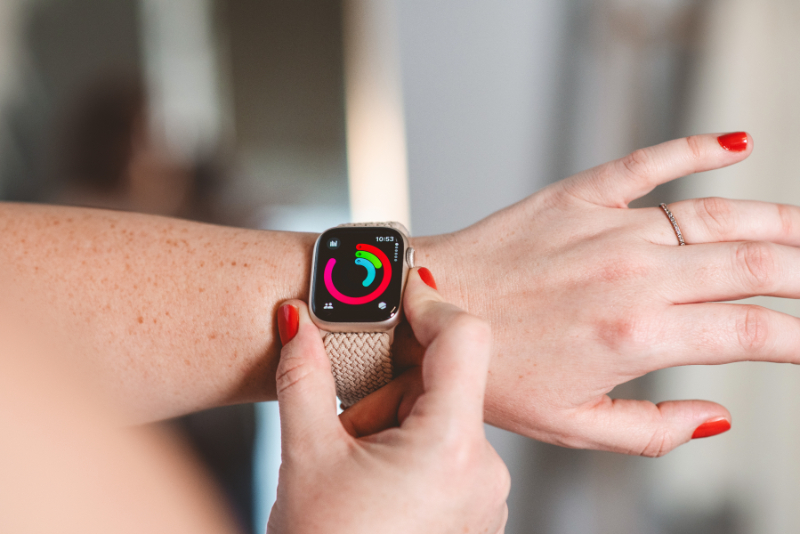
Movement supports more than physical health. It can also help improve mood, lower stress, and support overall mental well-being. Physical activity has been linked with lower symptoms of anxiety and depression for many people, although it isn’t a replacement for mental health treatment when it’s needed.
The type of movement matters less than how it makes you feel.
A peaceful walk outside may help clear your mind after a stressful day. Gentle stretching can help you feel more connected to your body. Dancing can bring laughter and joy. Gardening may give you a sense of calm while keeping you active.
When movement supports your emotional well-being instead of adding pressure, it’s often easier to keep doing it.
Building a Sustainable Relationship with Exercise
Building a healthy relationship with movement starts with letting go of old rules and creating new ones that support your well-being. That might mean reminding yourself that:
- You don’t have to exercise every day to be successful.
- Missing a workout doesn’t mean you’ve failed.
- Rest is part of taking care of your body, not something you have to earn.
- Your energy, schedule, and health can guide your movement choices.
- Progress isn’t measured by calories burned or minutes exercised.
Instead of focusing on numbers, pay attention to how movement affects your daily life. You might notice:
- More energy throughout the day.
- Better sleep at night.
- A calmer mood after moving.
- A stronger connection with your body.
Those changes often matter more than calories or step counts. Over time, intuitive movement helps you trust your body and respect its need for both movement and rest.
If exercise has been tied to guilt, change won’t happen overnight. Each time you choose movement from self-care instead of punishment, you’re building a healthier relationship with your body.
Wondering why exercise still feels like a struggle? Read Why “Eat Less, Move More” Is Harmful Advice.
Making Intuitive Movement Part of Your Life
Intuitive movement isn’t about finding the perfect workout. It’s about moving in ways that feel supportive instead of punishing. As you learn to listen to your body instead of outside rules, movement can become something you enjoy rather than something you feel forced to do.
If you’re tired of feeling guilty about exercise or wondering whether you’re doing enough, support is available. Inside One Body To Love and through one-on-one coaching, we work on healing your relationship with both food and movement so they no longer feel driven by guilt, rules, or pressure. Instead, you’ll learn how to build trust with your body and make choices that feel supportive and sustainable.
For more practical tools and encouragement, explore the One Body To Love Podcast or visit my YouTube channel. If you’re ready to take the next step and want to talk about what kind of support is right for you, you’re always welcome to book a free discovery call.