If you’ve ever stood in front of the mirror and immediately started criticizing what you see, you know how exhausting that inner dialogue can be. Body image healing may feel impossible if you’ve spent years believing your body is the problem and that if you could just lose weight or look different, you’d finally feel confident.
But changing your body doesn’t automatically change how you feel about it.
Body image healing isn’t about learning to love every inch of yourself overnight. It’s about building a more compassionate relationship with your body so it no longer determines your self-worth.
If you’re exhausted by the constant mental battle, know this: peace is possible.
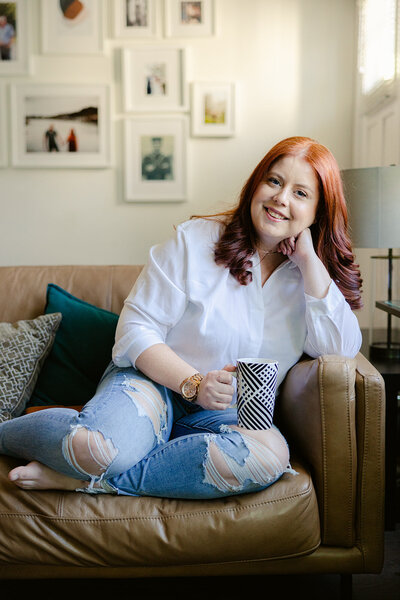
I’m Dr. Meredith MacKenzie, and I’m so glad you’re here. Whether you’ve spent years struggling with binge eating, body image, or the exhausting pressure to “fix” yourself, this blog is a place for compassionate, evidence-based support. If you’re ready to go deeper, my One Body To Love program offers guidance, community, and practical tools to help you find lasting peace with food and your body. You can also join me on Instagram for weekly encouragement and helpful resources to support your healing.
What Is Body Image Healing?
Body image healing is the process of changing the way you relate to your body, not by changing your body itself, but by changing the beliefs, thoughts, and experiences that have shaped how you see yourself.
It doesn’t mean you’ll wake up one day overflowing with confidence or never have another insecure moment.
Instead, healing often looks like:
- Looking in the mirror without immediately criticizing yourself.
- Letting your body simply exist without constant judgment.
- Wearing clothes because they’re comfortable, not because they’re “slimming.”
- Eating based on hunger and satisfaction instead of guilt.
- Allowing your worth to exist independently of your appearance.
Many people think they have to become body positive before they can heal. That’s simply not true. You don’t have to love your body every single day. In fact, you don’t even have to like it. Healing can begin by simply treating your body with a little more respect than criticism. That small shift creates space for healing.
Body image healing doesn’t require loving how you look. Learn what it does require in Body Respect When You Don’t Love How You Look: What Body Image Healing Really Means.
Why Body Image Struggles Are So Common
Body image concerns aren’t a personal failure. They’re often the result of years, sometimes decades, of messages telling us our bodies determine our value.
From childhood, we’re surrounded by comments about weight, “good” and “bad” foods, before-and-after photos, and endless advice about how to become smaller.
These messages can come from:
- Family members
- Friends
- Healthcare providers
- Social media
- Fitness culture
- Fashion and beauty industries
- Workplace conversations
Over time, these experiences shape the belief that our bodies are projects in need of constant improvement. For many people, this becomes so automatic that they don’t even realize how much mental energy is spent thinking about food, weight, and appearance.
In this video, I explore what might change if you stopped treating your body as a project this summer.
The Impact of Diet Culture on Body Image
Diet culture teaches us that changing our bodies will make us happier and more worthy. But even when someone’s body changes, body criticism often remains because the goalposts keep moving.
That’s because body dissatisfaction isn’t about body size alone. It’s shaped by years of comparison, perfectionism, and impossible standards.
Body image healing begins when we stop focusing on changing our bodies and start changing the way we relate to them.
Body image healing starts with rejecting the messages diet culture has taught us. Learn more in What It Really Means to Reject the Diet Mentality (And Why It Matters for Binge Eating Recovery).
10 Practical Steps for Body Image Healing
Healing isn’t one big breakthrough. More often, it’s built through small, repeated choices that slowly change the relationship you have with yourself.
1. Notice Your Inner Critic
Pay attention to the way you speak to yourself. Would you ever talk to someone you love the way you talk to yourself? Simply noticing these thoughts is the first step toward changing them.
2. Stop Waiting to Live
Many people postpone their lives until they lose weight. They avoid vacations, photos, dating, swimming, buying clothes they enjoy, or celebrating milestones because they believe they’ll deserve those experiences later. Life is happening now.m Your body doesn’t have to change before you participate in it.
3. Curate Your Social Media
What you consume shapes how you feel. If your feed leaves you feeling inadequate, anxious, or obsessed with changing your body, it may be time to unfollow accounts that fuel comparison. Instead, follow creators who celebrate body diversity, intuitive eating, joyful movement, and realistic life.
4. Wear Clothes That Fit Today
One of the simplest ways to reduce body shame is wearing clothes that actually fit your current body. Too-tight clothing often creates unnecessary discomfort and reinforces the idea that your body is the problem. Clothes are meant to fit your body. Your body is not meant to fit your clothes.
5. Practice Body Neutrality
You don’t have to force yourself to think your body looks beautiful every day.
Sometimes a more realistic thought is:
“This is my body today.”
Body neutrality removes the pressure to feel positive all the time and allows acceptance to grow naturally.
6. Move Because It Feels Good
Movement doesn’t have to be punishment.
Instead of asking:
“How many calories will this burn?”
Try asking:
“What kind of movement would help me feel better today?”
That answer might be a walk, stretching, dancing in your kitchen, gardening, or resting.
7. Challenge Appearance-Based Compliments
Many of us have learned to value compliments about weight more than compliments about kindness, creativity, resilience, or intelligence. Start expanding what you notice about yourself and others. Celebrate qualities that have nothing to do with appearance.
8. Reduce Body Checking
Repeatedly weighing yourself, pinching your stomach, checking mirrors, or comparing photos usually doesn’t provide reassurance. It often fuels anxiety instead. Experiment with reducing these habits and notice how your mood changes over time.
9. Practice Self-Compassion
You don’t need perfect confidence to deserve compassion.
Ask yourself:
“What would I say to a friend having this exact thought?”
Then see if you can offer yourself even a fraction of that same kindness.
10. Seek Support
Body image healing doesn’t have to happen alone. Working with a therapist or intuitive eating coach can help you untangle years of diet culture, shame, and deeply rooted beliefs. Support can help you move beyond simply understanding body image into actually experiencing greater peace.
Need support on the tough days? Read How to Handle Bad Body Image Days Without Starting Another Diet.
What to Do on Difficult Body Image Days
Even after significant healing, difficult days still happen. Stress, grief, hormonal changes, illness, or simply seeing an unflattering photo can trigger old thoughts. On those days, try to focus less on changing how you feel and more on caring for yourself.
You might:
- Wear your most comfortable clothes.
- Limit mirror checking.
- Take a break from social media.
- Eat regular, nourishing meals.
- Spend time with supportive people.
- Journal about what you’re feeling instead of trying to fix it.
- Remind yourself that thoughts are not facts.
A hard body image day doesn’t erase your progress. Healing isn’t measured by never struggling. It’s measured by how gently you respond when you do.
Why Healing Isn’t About Loving Your Body All the Time
One of the biggest misconceptions about body image healing is that you’ll eventually feel amazing about your body every single day. That’s an unrealistic expectation. Bodies change. Emotions change. Life changes.
The goal isn’t constant confidence. The goal is freedom. Freedom from spending every waking moment thinking about your weight. Freedom from believing your body determines your worth.
Freedom to enjoy meals, relationships, vacations, celebrations, and everyday life without body shame taking center stage. Ironically, many people learn that when they stop making body love the goal, they begin feeling far more at peace.
Body image healing means moving beyond harmful diet messages. Learn why in Why “Eat Less, Move More” Is Harmful Advice.
Body Image Healing Is Possible
If you’ve struggled with body image for years, it may feel impossible to imagine thinking differently. But body image isn’t fixed.
It’s learned, which means it can also be unlearned. Healing happens through small, imperfect moments of choosing compassion over criticism.
You can want a different relationship with your body while still wishing it looked different. Those feelings can exist together. You don’t have to be body positive enough to begin healing, only willing to take the next small step.
Food freedom and body image healing aren’t about perfection. They’re about creating a life where your body no longer decides how fully you live. And that kind of freedom is absolutely possible.
Wondering if your struggles are “normal”? Read The Top 3 Body Image Struggles My Clients Face—And How We Work Through Them.
Ready to Begin Healing Your Relationship with Your Body?
Body image healing isn’t about learning to love your body every moment of every day. It’s about spending less time fighting with yourself and more time living your life. If you’re ready to take that next step, Food Freedom in a Weekend will help you begin to untangle diet culture, reconnect with your body’s cues, and build a more peaceful relationship with food and yourself.
If you’re looking for deeper, more personalized support, my One Body To Love program and one-on-one coaching offer a compassionate space to heal the patterns that keep you stuck in binge eating, body shame, and self-criticism. You can also find more encouragement on my podcast and on YouTube, where I share practical tools and honest conversations about healing your relationship with food and your body. And if you’re wondering where to start, I’d love to meet you on a free discovery call so we can find the path that’s right for you.