
Chronic dieting can feel normal because so many people around us are doing it. Yet chronic dieting often comes with hidden costs that affect your body, mind, and relationship with food in ways you may not expect.
Many people start dieting because they want to feel healthier or happier. Some hope to have more energy. Others want to feel more confident in their bodies. Those goals make sense. Still, years of dieting can lead to more stress, more food struggles, and less trust in yourself.
If you’ve spent years trying one diet after another, you may wonder why nothing seems to stick. You might even blame yourself. The truth is that your body isn’t working against you. Instead, it may be doing exactly what it was built to do.
Let’s look at what chronic dieting really is, how it affects you, and why healing your relationship with food can change so much more than what ends up on your plate.
But first, hi! I’m Dr. Meredith MacKenzie, a binge eating therapist and intuitive eating coach. If you’re tired of the endless cycle of chronic dieting, food rules, and feeling like you’ve failed, you’re in the right place. Healing your relationship with food doesn’t come from finding the next diet. Inside my group program, One Body To Love, you’ll learn how to rebuild trust with food, reduce binge eating, and create lasting food freedom. For more support and practical tools, connect with me on Instagram.

What Is Chronic Dieting?
Chronic dieting means spending long periods trying to lose weight through food rules, meal plans, calorie counting, or cutting out certain foods. It often becomes a cycle instead of a short-term choice.
For example, you might promise yourself you’ll start fresh on Monday. You follow strict rules for a few days or weeks. Then life gets stressful, you eat foods you were trying to avoid, and guilt shows up. Soon after, you decide to start over again.
This cycle can happen for months or even years.
Sometimes chronic dieting doesn’t even look like a diet. You may think you’re simply eating healthy or trying to make better choices. Even so, if food rules leave you feeling stressed, guilty, or afraid of eating certain foods, dieting may still be part of the picture.
Over time, those rules can become so normal that you don’t even notice how much space they take up in your life.
Wondering why unconditional permission to eat matters? Read Unconditional Permission to Eat: Why It’s the Foundation of Food Freedom to learn how it helps break the binge-restrict cycle.
The Physical Effects of Chronic Dieting
Your body is designed to protect you. When it senses that food is limited, it tries to help you survive.
As a result, your body may slow down certain processes to save energy. Hunger can become stronger. Fullness cues may feel harder to notice. Thoughts about food can also increase.
None of this means you’ve failed. In fact, these are normal responses to restriction.
Many people notice that they feel tired more often. Others struggle with poor sleep, low energy, headaches, or trouble focusing. Some find themselves thinking about food all day, even when they don’t want to.
Your body isn’t trying to make life harder. It’s trying to keep you safe.
The longer chronic dieting continues, the harder it can become to trust your own hunger and fullness signals. Instead of listening to your body, you may feel like you’re always following outside rules.
Struggling with weight loss desires? Read How to Navigate Weight Loss Desires Without Going Back to Dieting for a more compassionate way forward.
The Emotional Toll of Always Trying to Lose Weight
The effects of chronic dieting aren’t only physical. They can also affect how you feel about yourself.
Over time, chronic dieting can lead to:
- Tying your self-worth to the number on the scale.
- Feeling proud when you follow food rules, then guilty or ashamed when you don’t.
- Seeing food as a test that you either pass or fail.
- Avoiding birthdays, vacations, dinners out, or family events because you’re worried about what you’ll eat.
- Spending so much time thinking about food that it’s hard to enjoy the moment.
- Losing energy, joy, and peace because dieting takes up so much mental space.
- Questioning your own choices after years of following someone else’s food rules.
When you’ve been dieting for a long time, trusting yourself can feel almost impossible. The good news is that you can rebuild that trust, one small step at a time.
Still feeling afraid of weight gain? Watch this video to learn how to make peace with your body and move toward food freedom.
How Chronic Dieting Fuels Binge Eating
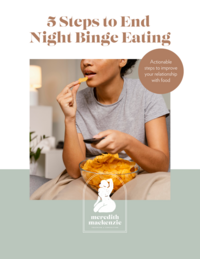
Many people believe binge eating happens because they don’t have enough willpower. The truth is, that’s rarely the case. In many situations, chronic dieting creates the very problem people are trying so hard to avoid.
When you label certain foods as off limits, they often become even more appealing. Then, if you do eat them, it’s easy to feel like you’ve already failed. That all-or-nothing thinking can make it harder to stop eating, even after you’ve had enough.
At the same time, restriction leaves your body hungry. When physical hunger meets strict food rules, the risk of binge eating increases. After a binge, guilt and shame often take over. Many people respond by promising to be even stricter the next day, hoping they’ll finally get back on track.
Unfortunately, that only keeps the cycle going. It’s not a lack of self-control or willpower. It’s a survival response that develops when your body and mind have spent too long living with restriction.
Ready to heal your relationship with food? Read Healing Your Relationship With Food (Without Dieting or Starting Over) to learn where lasting food freedom begins.
Why Letting Go of Dieting Feels Scary
If dieting hasn’t worked, you may wonder why it’s so hard to let it go. The answer has less to do with you and more to do with the messages you’ve heard your whole life.
Diet culture teaches us that dieting is the answer. From a young age, many of us are told that smaller bodies are healthier, more successful, and more worthy. After hearing those messages for years, it’s no surprise that letting go of dieting can feel scary.
Many people also worry that if they stop dieting, they’ll eat everything in sight forever. That fear is very real, especially after years of restriction. At first, giving yourself unconditional permission to eat may feel uncomfortable because foods that were once off limits naturally seem more exciting.
With time, though, those foods often lose their power. As your body learns that food is always available, the sense of urgency begins to fade and trust slowly returns. Healing doesn’t happen overnight, but it becomes much easier when you’re no longer fighting your body every day.
You don’t have to be body positive enough to begin this work. You’re allowed to feel torn. You can be scared of letting go of dieting and still want a more peaceful relationship with food.
Watch this video to understand what’s keeping the cycle going and how you can begin to break free.
What Recovery Can Look Like
Recovery doesn’t mean eating perfectly. Instead, it’s about learning to listen to your body with kindness, not fear. Healing isn’t about getting everything right. It’s about making small changes that help you rebuild trust in yourself.
As you move through recovery, you may begin to notice:
- Hunger and fullness cues become easier to recognize.
- Food takes up less space in your mind.
- Meals feel less stressful and more enjoyable.
- You stop judging yourself as good or bad based on what you eat.
- All foods begin to feel less emotionally charged.
- You start caring for yourself in ways that have nothing to do with weight, like getting enough rest, setting boundaries, managing stress, and meeting your emotional needs.
Some days will feel easier than others, and that’s completely normal. Recovery is about rebuilding trust with yourself, one choice at a time.
Moving Toward Food Freedom
Food freedom doesn’t mean you never think about food again. It means food no longer controls your life. While leaving chronic dieting behind can feel scary, it’s possible to step out of the cycle of restriction, guilt, and binge eating. Healing begins when you stop chasing the next diet and start building a kinder, more trusting relationship with food.
If you’re ready to break free from chronic dieting and find peace with food, I’d love to support you. Inside One Body To Love and through one-on-one coaching, you’ll learn how to rebuild trust with your body, reduce binge eating, and create lasting food freedom. You can also explore my podcast, YouTube channel, or book a free consultation to find the support that’s right for you.