Eating normally can feel hard after years of dieting, counting calories, or trying to control every bite. You may want to eat without overthinking it, but the fear of eating too much or choosing the wrong foods can make that feel out of reach.
Maybe you skip meals to make up for what you ate yesterday. Or you feel guilty after eating something you enjoy. Even when you try to stop dieting, old food rules can still shape your choices.
Learning to eat normally again isn’t about finding a new set of rules. It’s about letting go of old habits, listening to your body, and building trust with food at your own pace.
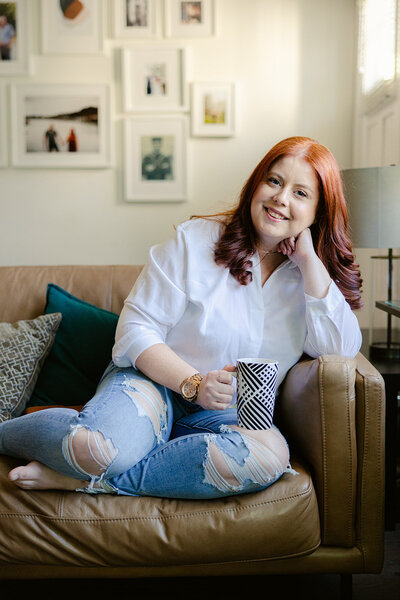
Hi, I’m Dr. Meredith MacKenzie, a binge eating therapist and intuitive eating coach. If years of dieting have left you feeling stuck in a cycle of food guilt, restriction, and binge eating, my group program, One Body To Love, can help you rebuild trust with food. I also offer 1:1 coaching for more personal support. For more on intuitive eating and food freedom, you can find me on Instagram.
What Does Eating Normally Actually Mean?
Eating normally means making food choices without strict rules, fear, or constant guilt. It means eating when you’re hungry, enjoying foods you love, and feeling free to eat more or less based on what your body needs.
It doesn’t mean eating perfectly or always making the same choices. Some days you’ll feel hungrier than others. Sometimes you’ll eat because food tastes good, you’re celebrating, or you want to share a meal with someone.
Normal eating also means being able to eat past fullness at times without feeling like you’ve failed. You don’t need to make up for it by skipping your next meal or eating less the following day.
The goal isn’t to control every bite. It’s to build a flexible way of eating that works for your life.
Wondering how to stop following strict food rules? Read Unconditional Permission to Eat to learn why giving yourself permission to eat can help you build trust in food.
Why Years of Dieting Can Make Eating Normally Feel So Difficult
After years of dieting, you may have learned to trust food rules more than your own body. Instead of listening to your hunger, you might count calories, ignore fullness, or feel like you need to earn your food.
Restriction can also make certain foods more tempting. When you tell yourself they’re off-limits, you may think about them more often and find it hard to stop once you start eating.
This can lead to a cycle of eating more than planned, feeling guilty, and starting another diet to regain control.
It’s not about willpower. Your body and mind may be responding to years of restriction and fear around food. Learning to eat normally starts with understanding these patterns, not blaming yourself for them.
If you find yourself moving between eating less and feeling out of control around food, read What to Do After a Binge for ways to break the binge-restrict cycle.
Recognizing the Food Rules and Fears That Keep You Stuck
Food rules can become such a normal part of your day that you may not even notice them. What feels like a healthy choice may actually come from fear or guilt around food.
Some common food rules include:
- Only eating at certain times: Ignoring hunger because it’s too early or too late to eat.
- Avoiding certain foods: Cutting out bread, pasta, or sweets because you see them as bad.
- Earning your food: Feeling like you need to exercise or be productive before you can eat.
- Saving up for meals: Skipping meals because you plan to eat more later.
- Making up for eating: Eating less the next day because you feel you ate too much.
These rules may give you a sense of control, but they can also leave you feeling anxious and unsure of what your body needs.
Start by noticing which rules you follow and where they came from. Think about what feels scary about letting them go. You don’t have to change everything at once. Becoming aware of these patterns is a first step toward making food choices based on care rather than fear.
Do you keep making food promises that are hard to follow? Read Breaking Food Promises to explore how these rules can keep you stuck.
How to Reconnect With Your Hunger and Fullness Cues
After years of dieting, it can be hard to tell when you’re hungry or full. You may have spent so much time ignoring these signals that they no longer feel clear.
Hunger isn’t always a growling stomach. It can show up as low energy, trouble focusing, or thinking about food more often. Fullness may feel like your hunger fading, your stomach feeling satisfied, or food becoming less interesting.
To start reconnecting with your body, try these steps:
- Check in before eating: Notice how your body feels and whether you’re hungry.
- Eat often enough: Regular meals and snacks can help prevent extreme hunger.
- Notice how food feels: Pay attention to your energy, comfort, and satisfaction after eating.
- Stay curious: If you eat past fullness, notice what happened without judging yourself.
- Give yourself time: Hunger and fullness signals may take time to become clearer.
You don’t need to wait until you’re very hungry to eat or stop at the first sign of fullness. If your hunger cues feel unclear, a gentle meal routine can help you rebuild trust with your body. The goal is to listen to your body, not turn hunger and fullness into another set of rules.
Not sure whether years of dieting have shaped your eating habits? Watch this video to learn how food rules and guilt may be affecting your relationship with food.
Learning to Eat Without Guilt, Restriction, or the Need to Compensate
Food guilt can make eating normally feel difficult. You might enjoy a meal, then spend hours thinking about what you should’ve eaten instead. Maybe you promise to eat less tomorrow or feel the need to exercise to make up for dessert.
To break this pattern, start by letting go of labels like “good” and “bad” food. Eating a cookie doesn’t mean you’ve failed, just as eating a salad doesn’t make you a better person.
When guilt comes up, try getting curious about what led you to eat. Maybe you were hungry, stressed, tired, or simply enjoying your food. Understanding your needs can help you respond with more care and less judgment.
If you eat more than planned, return to your usual meals and snacks rather than trying to make up for it. Eating normally means making room for food without guilt or the need to fix every choice.
Feeling pulled toward another diet after eating more than planned? Read How to Create a Safe Structure With Food Without Falling Into Restriction for a gentler approach.
Building Trust With Food and Finding Your Own Version of Normal Eating
There’s no single way to eat normally. Your needs, hunger, and food choices may change from day to day. Building food trust means learning to care for yourself without strict rules or feeling like one meal decides the rest of your day.
You might start by eating foods you’ve avoided, listening to your hunger, or enjoying dessert without guilt. Some days will feel easier than others, and old fears may return, especially when you’re stressed or struggling with body image.
You may still want to lose weight while working toward food freedom, and that’s okay. You don’t have to work through every fear before you begin. With practice, eating can become less about control and more about meeting your needs and enjoying food.
Finding Peace With Food and Eating Normally Again
Learning to eat normally again takes time, especially when dieting has shaped your relationship with food for years. You may still question your hunger, feel guilty after eating, or worry about losing control. These feelings don’t mean you’re doing anything wrong.
Start with small changes. Notice your food rules, make space for regular meals, and practice listening to your body without judgment. You don’t have to get every meal right to build a more peaceful relationship with food.
Ready to stop second-guessing every food choice? One Body To Love, my group coaching program, offers support to help you move away from dieting, work through food guilt, and rebuild trust with your body.
If you’d rather start at your own pace, Food Freedom in a Weekend gives you practical tools to help you let go of food rules and move toward more flexible eating.
Looking for more personal support? My 1:1 coaching offers a judgment-free space to explore binge eating, food fears, and body image. You can also book a free discovery call to talk about what support might feel right for you.
And if you’re just beginning to explore eating normally without dieting, you can browse my free resources, listen to the One Body To Love podcast, or visit my YouTube channel.