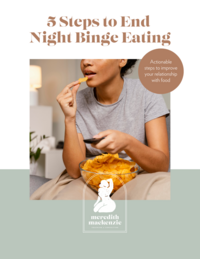

Boredom eating can happen when you have nothing to do, even if you’re not physically hungry. You might find yourself opening the fridge, looking through the pantry, or reaching for a snack while watching TV. Sometimes, you don’t realize you’re doing it until you start eating.
If this sounds familiar, you might wonder why you keep turning to food when your body doesn’t seem to need it. You may even feel frustrated with yourself, especially if you’ve tried to stop this habit before.
But eating out of boredom isn’t always about food. Sometimes, it’s your brain looking for something to do, a little comfort, or a break from the same old routine.
Hi, I’m Dr. Meredith MacKenzie, a binge eating therapist and intuitive eating coach. If you often turn to food when you’re not hungry, you don’t need more food rules or stronger willpower to change that pattern. Instead, understanding what drives the urge to eat can help you respond with more care and less guilt.
Inside my group program, One Body To Love, I help you understand your eating patterns, reduce binge eating, and build a more peaceful relationship with food. For more support, helpful tips, and daily encouragement, come connect with me on Instagram.

What Is Boredom Eating?
Boredom eating happens when you turn to food because you’re bored, not because you’re physically hungry. It often shows up during quiet moments when you don’t have much to do or when the task in front of you doesn’t hold your interest.
For example, you might start looking for snacks while working from home, even though you just had lunch. Or maybe you find yourself eating while scrolling through your phone because you don’t know what else to do.
Food gives you something to focus on. It adds taste, pleasure, and a little excitement to a moment that might otherwise feel dull.
There’s nothing wrong with enjoying food when you’re not hungry. Food is meant to bring pleasure, too. However, if eating has become your main way of dealing with boredom, it can help to understand why.
Why Do You Eat When You’re Bored?
Your brain likes things that feel good. When you’re bored, your brain naturally looks for something that sparks interest, pleasure, or comfort.
Food can meet that need quickly. It takes little effort to grab a snack, and eating can make an ordinary moment feel more enjoyable.
Over time, reaching for food can become a habit. For example, if you often snack while watching TV, your brain may start to link the two activities. Eventually, you might reach for something to eat without even noticing whether you’re hungry.
Boredom can also bring up feelings that are harder to notice when you’re busy. Maybe you feel lonely after the kids go to bed. Perhaps you’re tired of doing the same tasks every day. Or you might feel restless because you haven’t had much time for yourself.
In these moments, food can offer a small break from feelings you’d rather not sit with. This is why understanding your emotional eating patterns matters more than trying to force yourself to stop.
Wondering what your food cravings might be telling you? Watch the video below to learn why you turn to food for comfort or relief and how to better understand what your body needs.
How Food Becomes a Source of Comfort or Distraction
For many people, slowing down feels uncomfortable. We’re used to staying busy, caring for others, and moving from one task to the next. When things get quiet, food can fill that space.
Eating gives you something to do and can comfort you when you’re bored, lonely, or tired. Sometimes, it’s also about wanting a moment for yourself.
After a long day of work or caring for your family, you might enjoy your favorite snack as the first thing you do just for yourself.
The goal isn’t to take away that comfort. It’s to understand what food gives you so you can meet those needs in other ways.
Do you often reach for food when you need comfort? Read Comfort Eating Explained to learn why food can feel so comforting and how to respond with more kindness.
Boredom Eating vs. Emotional Hunger vs. Physical Hunger
It isn’t always easy to tell why you want to eat. Boredom, emotions, and physical hunger can feel similar, and sometimes they happen at the same time. Still, noticing a few differences can help you understand what your body and mind need.
Physical Hunger
Physical hunger is your body’s way of asking for food. You might notice your stomach growling, low energy, trouble focusing, or feeling more irritable than usual. Hunger can build over time, but it doesn’t always feel the same. If you’ve spent years dieting or ignoring hunger, you might notice these signs less.
Emotional Hunger
Emotional hunger often comes from a desire for comfort or relief. You might crave a certain food after a hard day, during an argument, or when you’re feeling sad or worried. Food may make you feel better for a short time, even though the underlying feeling hasn’t gone away.
Boredom Eating
Sometimes, you reach for food simply because you’re looking for something enjoyable to do. This might happen during slow afternoons, long meetings, or while watching TV. Of course, you can feel bored and physically hungry at the same time. Rather than trying to find the exact reason for every craving, focus on noticing what your body and mind need.
Not sure whether you’re hungry or looking for comfort? Read Emotional Hunger vs Physical Hunger: How to Tell the Difference (Without Overthinking It) for a gentle way to understand your hunger signals.
Why Distracting Yourself From Food Doesn’t Always Work
One common tip for stopping boredom eating is to distract yourself by going for a walk, drinking water, or finding something else to do. These activities can help, but they don’t always address why you want to eat in the first place.
In fact, trying to distract yourself from food can make you think about it even more. The more you tell yourself you shouldn’t eat, the harder it can be to ignore the urge. And if you’re physically hungry, keeping busy won’t give your body the food it needs.
There’s a difference between doing something because you enjoy it and doing it because you feel guilty about eating. Instead of asking, “How can I stop myself from eating?” try asking, “What am I hoping food will give me right now?” This helps you understand your needs without creating another food rule.
How to Stop Boredom Eating Without Guilt or Restriction
If you want to change your eating habits, you don’t need to avoid food when you’re not hungry. Instead, focus on understanding what drives the urge to eat and finding more ways to meet your needs.
Notice When the Urge Shows Up
Pay attention to when you feel the urge to eat. Does it happen during slow afternoons or quiet evenings? You don’t need to track every bite. Just noticing when these urges show up can help you understand your habits without judging yourself.
Ask Yourself What You Need
Before reaching for food, check in with yourself. Are you hungry, tired, lonely, or looking for something fun? Maybe you need a break or some time to yourself. And if you still want the snack, that’s okay, too.
Give Yourself Permission to Eat
Making certain foods off-limits can make you want them even more. Giving yourself permission to eat can reduce guilt and pressure. Over time, food may start to feel less urgent, making it easier to trust your choices.
Find More Ways to Feel Good
Food can bring pleasure, but it doesn’t have to be your only source. Calling a friend, listening to music, reading, or spending time outside can also bring joy and comfort. Sometimes, you might simply need rest. The goal isn’t to stay busy to avoid eating, but to find more ways to care for yourself.
Not sure what your body is trying to tell you? Read Listening to Your Body to learn how to better understand your hunger cues, trust your needs, and build a healthier relationship with food.
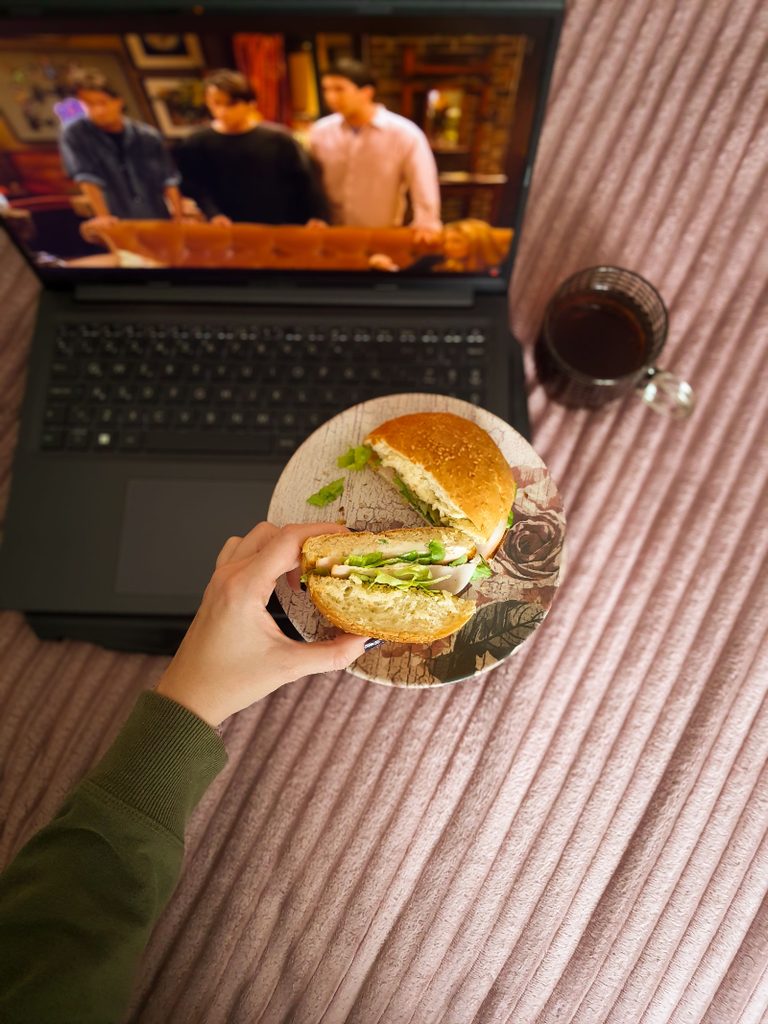
When Eating Out of Boredom Becomes a Bigger Struggle
Sometimes, eating when you’re bored is part of everyday life. Other times, it can be linked to emotional eating or binge eating. If you often feel out of control around food, eat in secret, or feel guilty afterward, deeper reasons may be driving these patterns.
Stress, years of dieting, unmet emotional needs, and ADHD can all play a role. For example, people with ADHD may turn to food for quick pleasure or excitement, while those who’ve restricted food may mistake physical hunger for boredom.
Instead of blaming yourself, try to understand what’s driving the pattern. A therapist (like me!) who understands binge eating and intuitive eating can help you work through these struggles without guilt or strict food rules.
Feeling stuck in a cycle of emotional eating or binge eating? Read How a Binge Eating Therapist Can Help You Find Food Freedom to learn how the right support can help you build a more peaceful relationship with food.
Finding More Peace With Food When Boredom Strikes
You don’t need to judge yourself for turning to food when you’re bored. Food can bring comfort, pleasure, or a break from your day. Instead of fighting cravings, try to understand what’s behind them. Maybe you’re hungry, tired, lonely, or simply looking for something enjoyable. Remember, you don’t have to be physically hungry to give yourself permission to eat.
If boredom eating has become part of a larger struggle with emotional eating or binge eating, change is possible. Inside One Body To Love and through one-on-one coaching, I’ll help you understand your eating patterns, build trust with your body, and find more peace with food without guilt or restriction.
For more helpful tips and support, listen to my podcast or visit my YouTube channel. If you’re ready for support, you’re always welcome to book a free consultation to explore what feels right for you.